













The Invisible Advantage: Vielight Redefines Brain Resilience and Performance in Sports
Published:
In the highest tiers of contact sports, like the NFL and UFC, the difference between a game-winning play and a season-ending injury often comes down to milliseconds and inches. For years, the focus has been on physical armor or defensive techniques. But a new frontier is emerging that focuses on armoring the brain’s physiology: intranasal-transcranial photobiomodulation (itPBM).
Through a groundbreaking partnership with Ilia Topuria, Brigham Young University (BYU) and research led by the University of Utah through a $4.6M US Department of Defense (DoD), Vielight’s photobiomodulation (itPBM) technology is, offering what many are calling “the unfair advantage” in brain resilience and performance.

The Vielight Advantage | NFL and NCAA
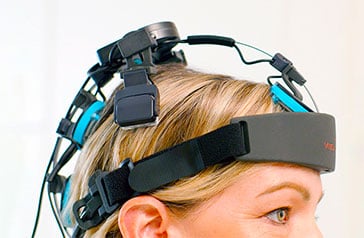
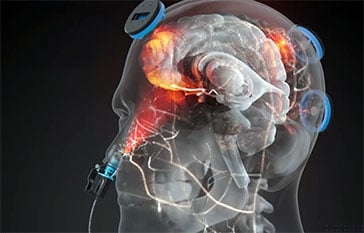
Vielight’s patented neurotechnology, which delivers world-leading near-infrared irradiance through the intranasal-transcranial channels (itPBM) has been research-validated to:
-
Increase Cellular Energy (ATP): Fueling brain cells to perform at their peak by supporting mitochondrial function.
-
Induce Brain Resilience: Season-long analyses of collegiate football players using the device showed a significant decrease in diffusion MRI markers.
-
Enhance Connectivity: Research indicates that PBM helps “quiet” noisy crosstalk between major brain networks while increasing connectivity within the networks responsible for attention and cognitive control.

Clinically Proven Results for the Gridiron
The data isn’t just theoretical; it’s being proven by athletes in the trenches. A comprehensive study involving BYU football players revealed significant performance gains across 8–10 weeks of use:
| Performance Metric | Improvement |
| Reaction Speed | 19.39 ms Faster |
| Balance & Agility | Significant improvement in MiniBEST scores |
| Grip Strength | Increased by up to 3.73 kg |
These aren’t just marginal gains; they are the metrics that define “Game Ready” status.
Tom Holmoe, Associate Athletic Director at BYU and a 3x Super Bowl Champion, noted that BYU has adopted the technology program-wide for their athletes.
“We’ve seen compelling evidence – enough to include the Vielight Neuro Duo as standard equipment for our football team.” — Tom Holmoe, BYU Athletic Director, 3x Superbowl Champion

The BYU Performance Delta (2015–2025)
The results at Brigham Young University (BYU) under Coach Kalani Sitake show a definitive correlation between Vielight integration and winning.
| Program Status | Season Years | Win Rate | Avg. Wins/Year |
| Vielight Active | 2021, 2024, 2025 | 84% (32-6) | 10.7 |
| Vielight Inactive | 2022, 2023 | 52% (13-12) | 6.5 |
| Program Baseline | All other years | 56% (44-34) | 7.3 |

Ilia Topuria with the Vielight Neuro 3 (superseded by the Neuro 4)
The Neural Armor of the Undefeated UFC World Champion
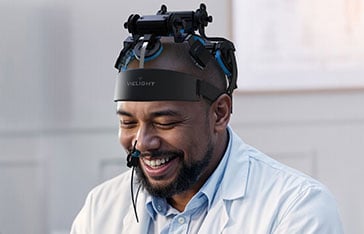
Ilia Topuria integrates the Vielight Neuro Duo into his daily routine to sharpen his mental edge, improve his brain resilience and accelerate recovery. He also incorporates the Vielight Vagus to improve his “brain-body” connection that makes those split-second decisions possible.
Dr. Aldo Martinez, Ilia Topuria’s Head Coach stated:
“We use this technology in the morning with a gamma wave frequency of 40 Hz to energize and increase the concentration of our champion (Ilia Topuria),” Dr. Aldo Martinez, Ilia Topuria’s Head Coach.
Research on Neural Resilience and Repetitive Impact Support
Beyond performance, The U of Utah and Vielight are at the forefront of tackling the most serious issue in contact sports: Repetitive Head Acceleration Events (RHAE).
Landmark studies published in 2024 and 2025 have shown that PBM can actively restore brain function in those exposed to repeated impacts:
-
Memory Restoration: A U of Utah TBI clinical study with 44 participants with the Vielight Neuro showed significant improvements in verbal learning and delayed recall for individuals with a history of RHAE.
-
Executive Function: Players using the technology demonstrated better “cognitive switching,” allowing for sharper decision-making under pressure.
-
Cerebellum Network Connectivity: Clinical evidence suggests the Vielight Neuro improves cerebellum network, helping to maintain mental sharpness across a grueling competitive season.

Armor for the Long Game: Visualizing Neuroprotection
Building on the partnership with the University of Utah, this section highlights the specific neuroprotective data revealed through advanced Diffusion Tensor Imaging (DTI)—a technology that allows scientists to see the actual structure and “wiring” of the brain.
In a groundbreaking study led by Dr. Larry Carr and the University of Utah, researchers used DTI scans to observe the brains of athletes across a single competitive football season. The findings provide a visual blueprint for how photobiomodulation acts as “internal armor” against the grind of the sport.
1. Improved Integrity
Brain resilience against hits improved with the active Vielight group, versus the non-active group.
-
The Findings: The Vielight group showed more brain resilience throughout the entire brain compared to the control group.
-
White Matter Integrity: Scans revealed improved microstructural integrity and organization of the axons—the “cables” that send signals between brain regions.
2. Restoring the “Flow State”
DTI imaging also tracked how PBM helps “reset” brain networks that become disruptive after repetitive head impacts.
-
Default Mode Network (DMN) Normalization: Before treatment, many ex-athletes showed an overly connected DMN—meaning their brains were “noisy” and distracted.
-
The Post-PBM Scan: After use, the connectivity reflected a pattern typical of healthy brains, allowing for better focus, reduced impulsivity, and improved mental flexibility.
The Bottom Line: While most players’ brains show ‘wear and tear’ after a season, Vielight users showed brains that remained organized and ‘quiet’ under pressure.
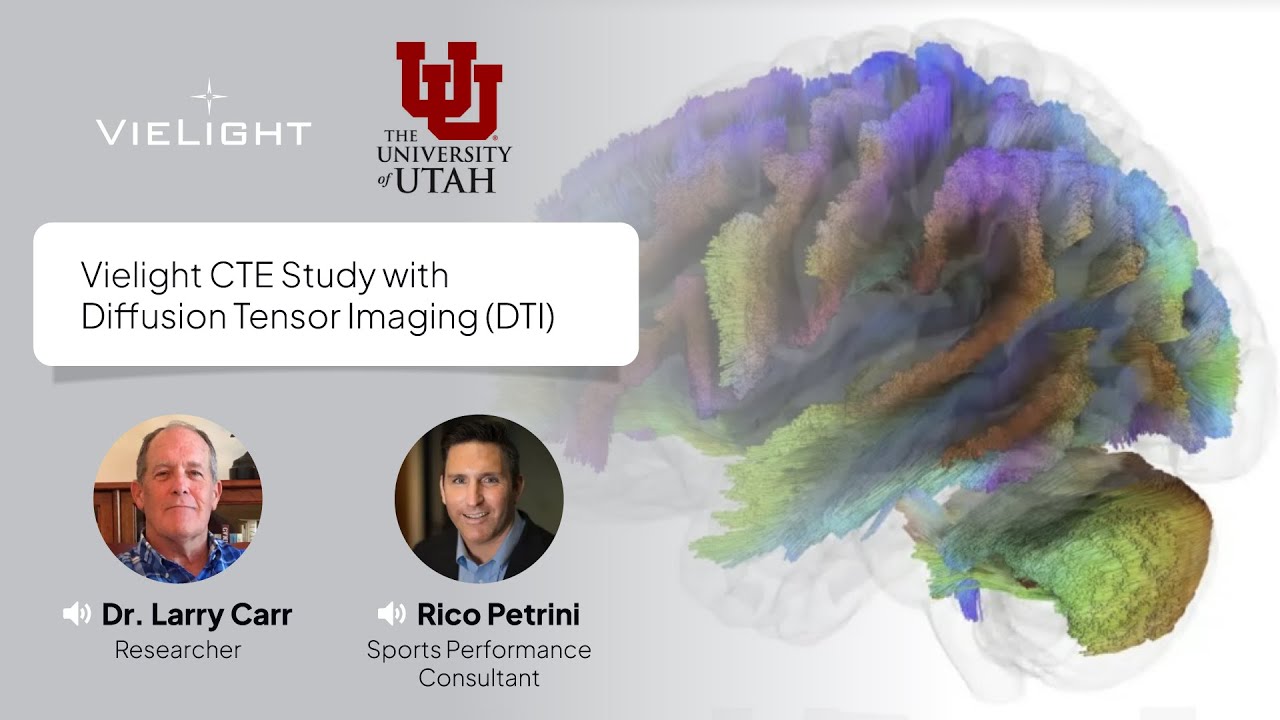
Brain Networking and DTI Research with Vielight PBM | Dr. Larry Carr & Rico Petrini
“It almost killed me… But Vielight saved my life.” — Dr. Larry Carr (BYU alumnus).
From the University of Utah’s TBI Concussion Center, Dr. Larry Carr, a former BYU linebacker who experienced significant TBI recovery with Vielight photobiomodulation (PBM), shares pilot findings using Diffusion Tensor Imaging (DTI) and functional MRI to track brain changes. He’s joined by Rico Petrini (Oregon State LB alum), who offers a powerful first-person account of recovery after repetitive head impacts.
What the research points to:
• DTI findings: Evidence consistent with supporting a healthy internal brain environment and improved white-matter microstructural integrity (axonal organization, structural connectivity) after PBM.
• Functional connectivity: Post-PBM, default mode network (DMN) connectivity shifts toward patterns seen in healthy brains.
• Clinical & performance measures: Trends toward improved attention, processing speed, reaction time, executive function, and sleep quality, with reductions in depression, anxiety, impulsivity, and PTSD symptoms—aligned with imaging changes.

Figure 2. Resting-state functional connectivity.
The "Cerebellar Network Efficiency" Upgrade
From the landmark 2025 study (Wilde et al., published in Photobiomodulation, Photomedicine, and Laser Surgery), you can add powerful data regarding how Vielight specifically optimizes the cerebellum to handle the physical and mental demands of football.
The cerebellum is the brain’s “Air Traffic Control” for movement and balance, but it is also highly connected to the regions that manage focus and decision-making.
The “Cerebellar Network Efficiency” Upgrade
Research using the Vielight Neuro Gamma revealed that the device helps the cerebellum transition from a “noisy” state to one of elite precision:
-
Regulating Overactive Connections: The study observed a significant decrease in between-network connectivity. In a football context, this means reducing “noisy crosstalk” between distinct functional systems, allowing the brain to process information more efficiently without distraction.
-
Increasing Network Segregation: By increasing within-network connectivity, the technology helps the brain’s specialized networks become stronger and more coherent. These are the exact circuits needed for high-speed attention and cognitive control during a play.
-
Restoring Balance and Agility: This enhanced “network efficiency” provides the direct neurological explanation for why players using the device see measurable gains in balance and motor function.
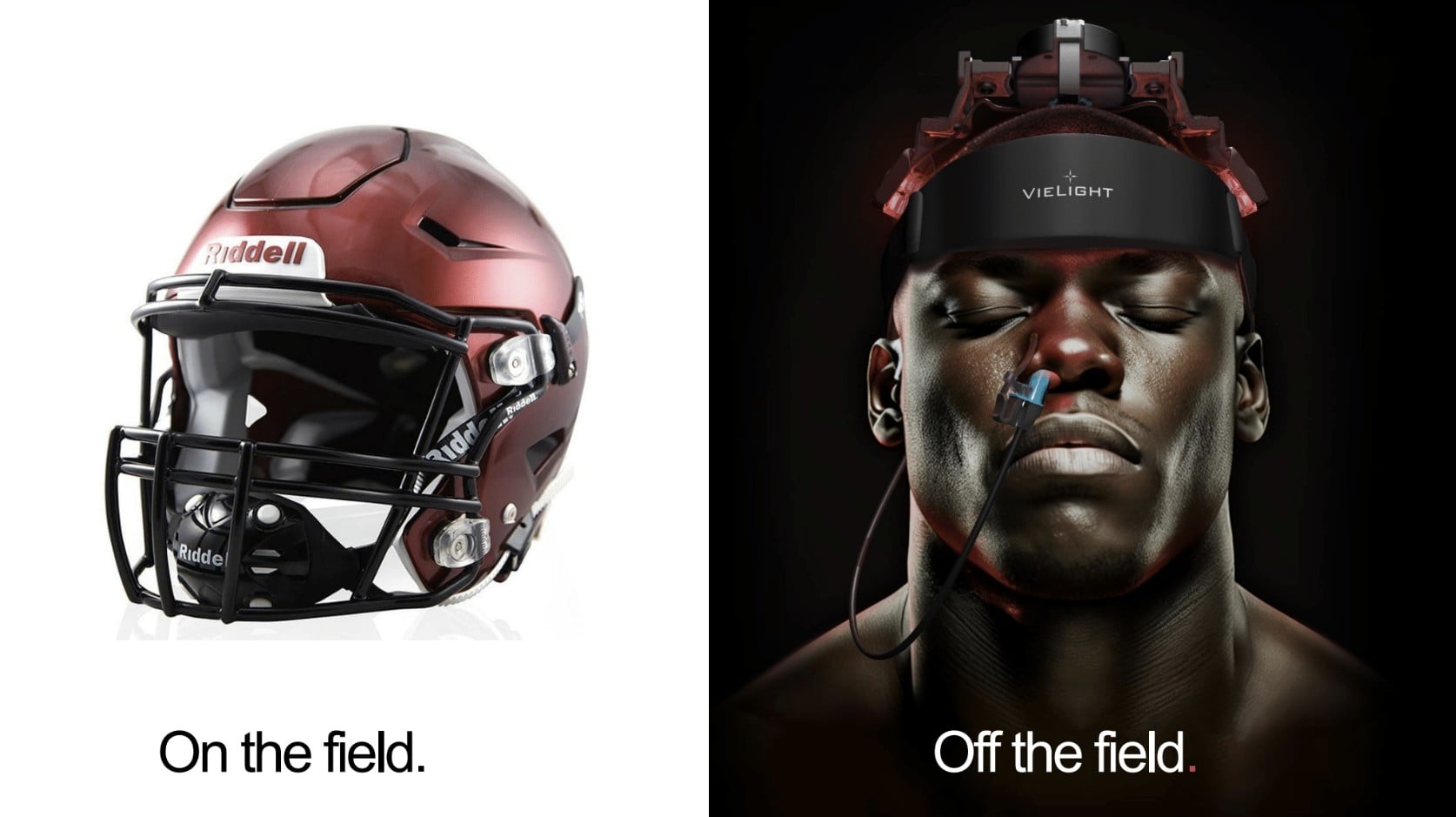
Why the Pros are using Vielight
Vielight is currently being used by NFL and NCAA players, Olympic athletes, and UFC champions because it is:
-
League Compliant: It is a non-invasive, non-pharmacological solution that requires no prescriptions.
-
Portable and Fast: A full session takes only 20 minutes and can be integrated into training cycles without complex infrastructure.
-
Evidence-Backed: Supported by over 30 published studies and researched at top-tier institutions like Harvard, Utah, and Toronto.

The Vie-LED Advantage
Vie-LED technology is supported by the highest measured full-transcranial LED irradiance in the field of brain PBM, emulating laser-like intensity. Irradiance (mW/cm²) is defined as the landed intensity of light energy on a surface. Irradiance is needed to drive NIR energy through multiple biological layers to the brain, including the scalp, skin and blood.
Besides that, Vielight’s patented intranasal technology enables NIR energy to bypass the thicker biological layers. This published study by Baycrest Hospital on brain fluid dynamics confirms Vielight’s intranasal-transcranial advantage.
Conclusion: The New Standard for the Gridiron
We are entering an era where the most important “stat” isn’t just yards after catch or sacks—it’s neural efficiency. The data from the University of Utah and the real-world results at BYU prove that we no longer have to accept brain “fatigue” or post-career decline as an inevitable cost of the game.
By optimizing the cerebellum and protecting the brain’s structural integrity, Vielight technology offers a rare “win-win”: elite performance for the current season and neuroprotection for the decades that follow.
As Tom Holmoe and the BYU program have demonstrated, when you train the “Command Center” with the same rigors as the body, the results speak for themselves: an 84% win rate and a roster of athletes who are sharper, faster, and more resilient than ever before.
The “Unfair Advantage” is no longer a secret. It’s a choice.
“Results are from a controlled clinical study and may not be typical for all users. Investigational use only for TBI. Vielight devices are General Wellness devices and are not FDA-cleared to diagnose, treat, or cure Traumatic Brain Injury (TBI).”