



0

Your cart is currently empty.

Shopping Cart Shop Vielight tech
0

Your cart is currently empty.

Vielight Logo
0

Your cart is currently empty.

Photobiomodulation

Learn about the science behind Vielight devices, why irradiance and wavelengths matter, and the cellular mechanisms of brain photobiomodulation.

How photobiomodulation works

1

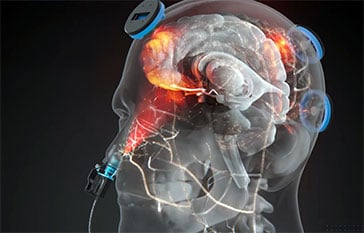
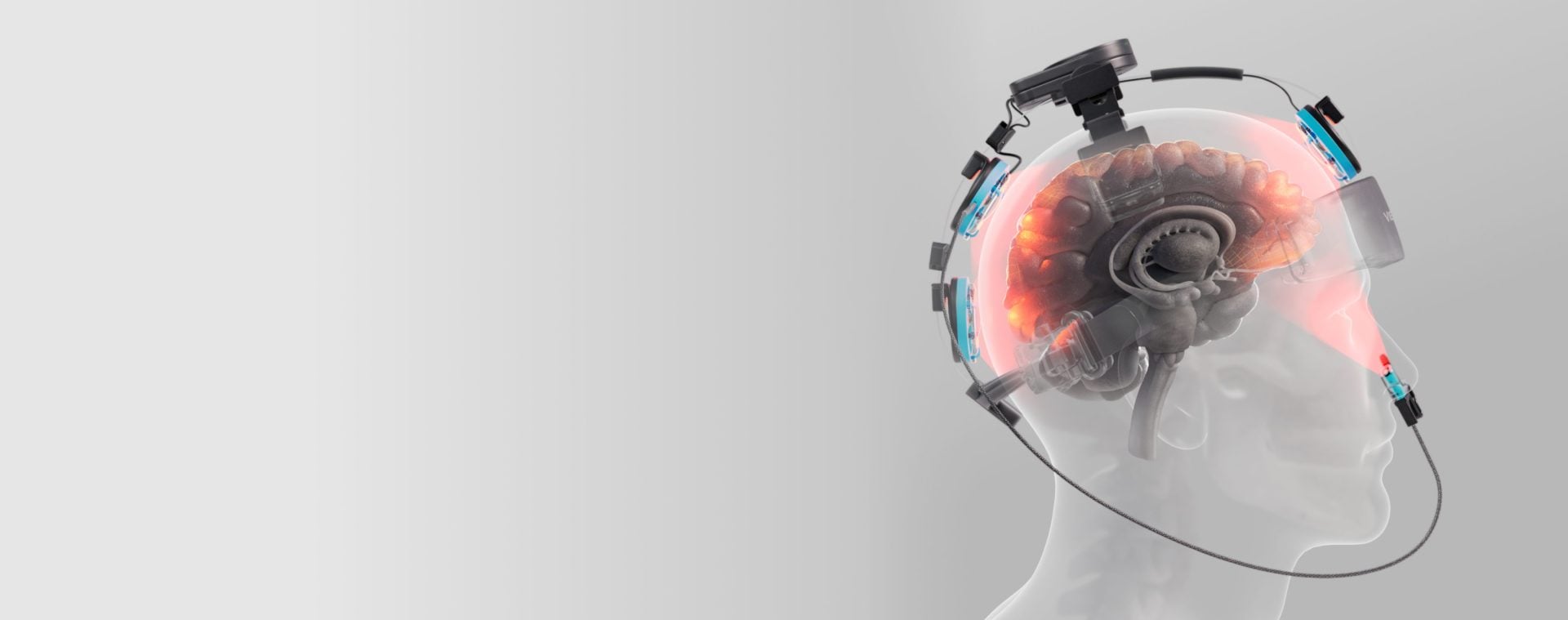
Near-infrared (NIR) energy penetrates the skull

2

The NIR energy reaches brain cells

3

Mitochondria absorb NIR energy, boosting cellular energy and brain function

Photobiomodulation benefits

Increases the production of Adenosine Triphosphate (ATP)

A molecule that fuels nearly all biological activity, including cellular growth and repair.

Promotes the release of

Nitric Oxide (NO)

A molecule that enhances cellular signaling and improves blood circulation.

Generates low levels of Reactive Oxygen Species (ROS)

Mild oxidants that trigger gene transcription for cellular repair and healing.

What is photobiomodulation?

Photobiomodulation (PBM), often referred to as red light therapy, is a non-invasive treatment that uses near-infrared (NIR) light to enhance cellular health and performance.

This light is delivered through specialized LEDs and directed at targeted areas of the body to stimulate biological responses. With the appropriate wavelength and sufficient irradiance, PBM can reach deep tissue depths to support different therapeutic goals.

At its core, PBM helps cells produce more ATP—the energy molecule essential for all cellular activity. With increased energy, cells are better equipped for repair, regeneration, and maintenance, which can lead to improved recovery and overall well-being.

In simple terms, photobiomodulation helps your cells make more energy, much like sunlight supports photosynthesis in plants.

Wavelength x Irradiance

What is wavelength and irradiance?

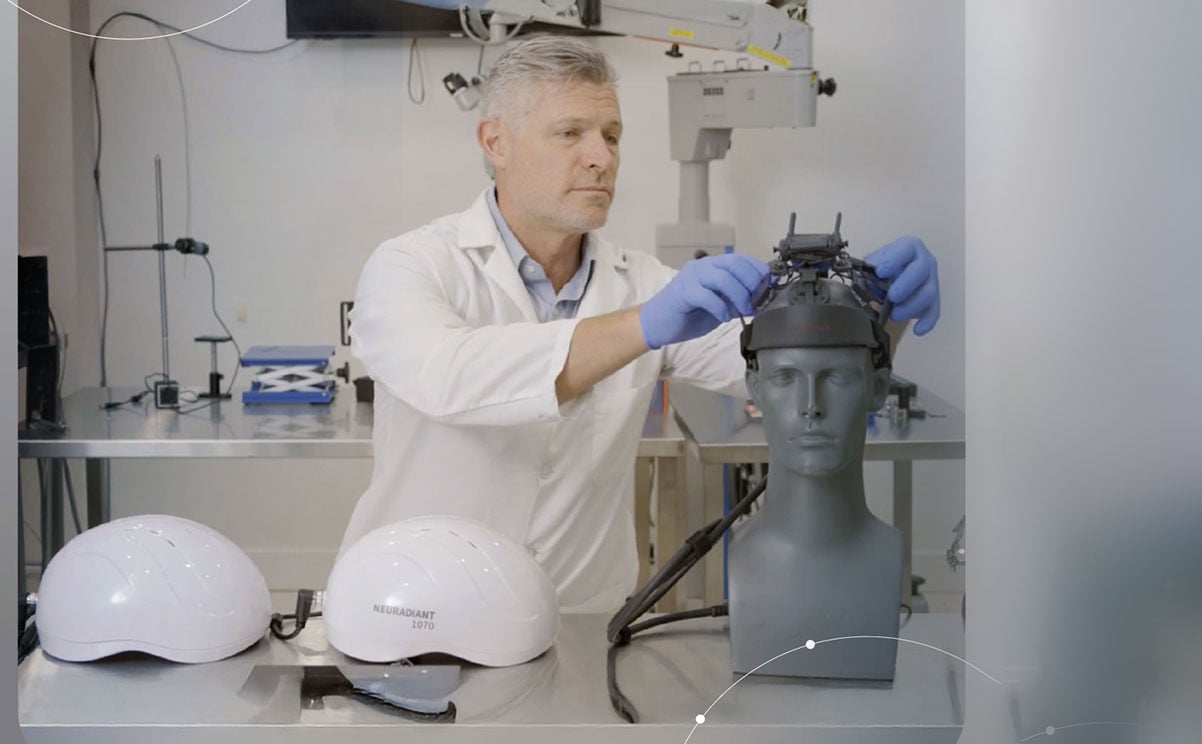
In photobiomodulation, the concentration of light energy (irradiance) is vital besides wavelength. A systematic review of over 2000+ PBM studies found the average parameters for effective therapy were 810nm and 250 mW/cm².

Vielight’s Vie-LED technology delivers high-intensity, laser-like energy, surpassing the weaker irradiance of helmet-style devices.

Even with hundreds of LEDs, helmets dilute power by sharing electrical current across many diodes. This weak irradiance prevents deep penetration, reducing effectiveness.

Vielight Neuro

Energy Footprint Comparison on
a real human skull

Watch the video
Vielight Neuro

The Science Behind Vielight

Watch the video

What makes PBM effective?

For photobiomodulation to be effective, three key factors must align: the correct wavelength (typically 633–810 nm) to ensure proper absorption; the right intensity to avoid underdosing or overheating tissue; and an adequate energy dose to achieve results.

These principles are guided by the foundational laws of photobiology, which state that without absorption, no biological reaction can occur, and that dose and intensity must work together to be effective.

What is photobiology?

Photobiology studies how non-ionizing light affects living systems, with different wavelengths producing different biological effects. Light is absorbed by molecules like DNA or proteins, triggering chemical changes and cellular responses.

Examples include vitamin D production from sunlight and vision, both driven by light-induced biochemical reactions. These interactions show how light continues to play a vital role in energizing biological processes.

What is brain photobiomodulation?

The brain, our most complex organ, relies on mitochondria in each cell as energy-producing “batteries.”


Photobiomodulation improves mitochondrial performance. This boost in cellular energy helps heal brain cells, repair neuron connectivity, and improve brain efficiency, ultimately enhancing overall brain function.


Near-infrared light, especially at 810 nm, penetrates deepest into brain tissue. To fine-tune photobiomodulation parameters for optimal results, research that uses Vielight technology employs brain imaging and brain signaling techniques.
Video Thumbnail

Brain Imaging Research

Diffusion Tensor Imaging (DTI) presentation

Watch the video
Video Thumbnail

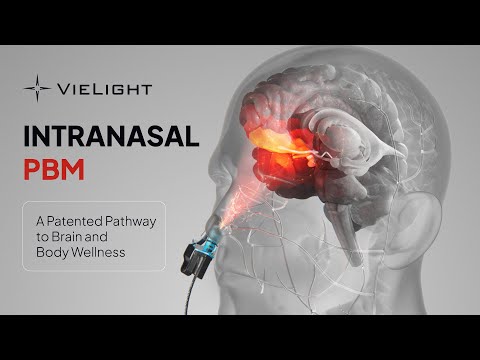
Why the nose?

From the inventor and neuroscientists

Watch the video
Video Thumbnail

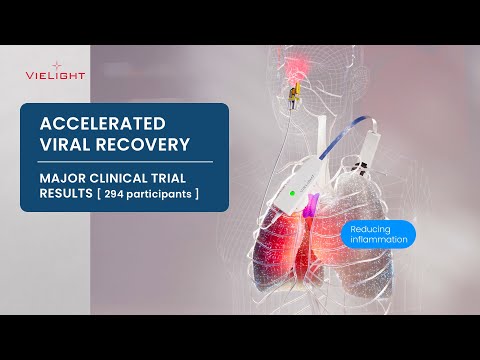
Biggest PBM clinical trial

n=294 clinical trial for Accelerated Viral Recovery

Watch the video

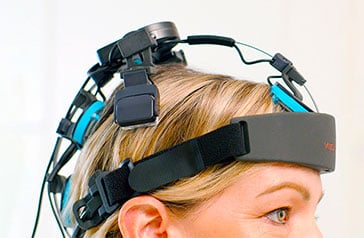
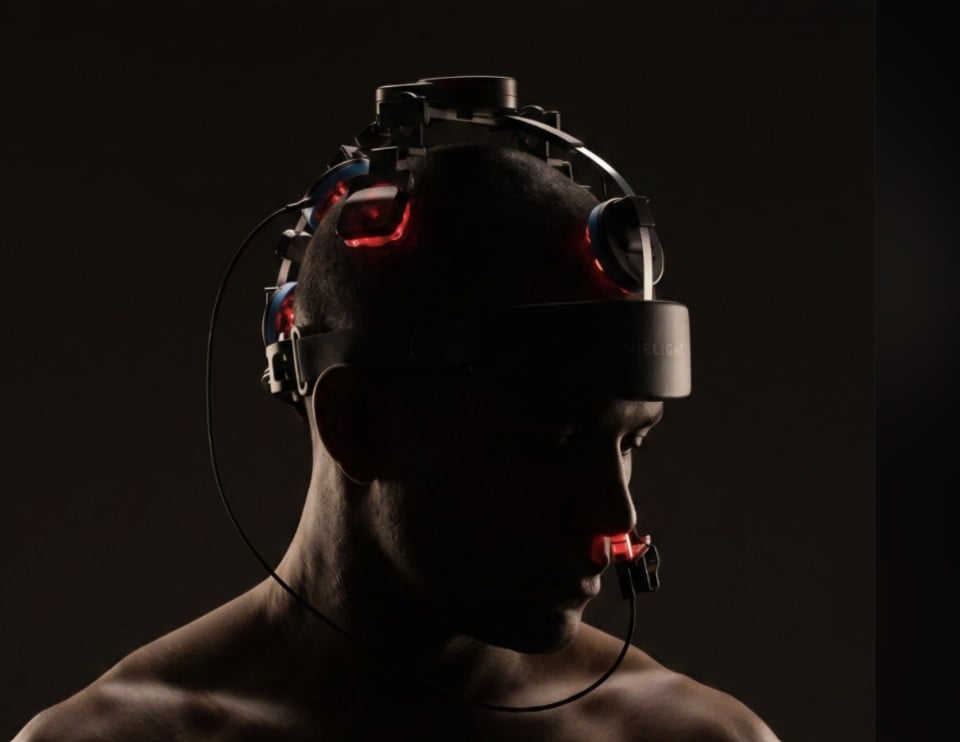
What is the Vielight Neuro 4?

Video Placeholder

In collaboration with

0