













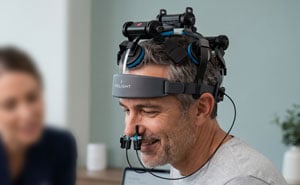

Why the nose for brain photobiomodulation?
The nose is a gateway to important brain structures located at the underside of the brain, otherwise, unreachable from the scalp.
Can light energy reach the brain from the nose?
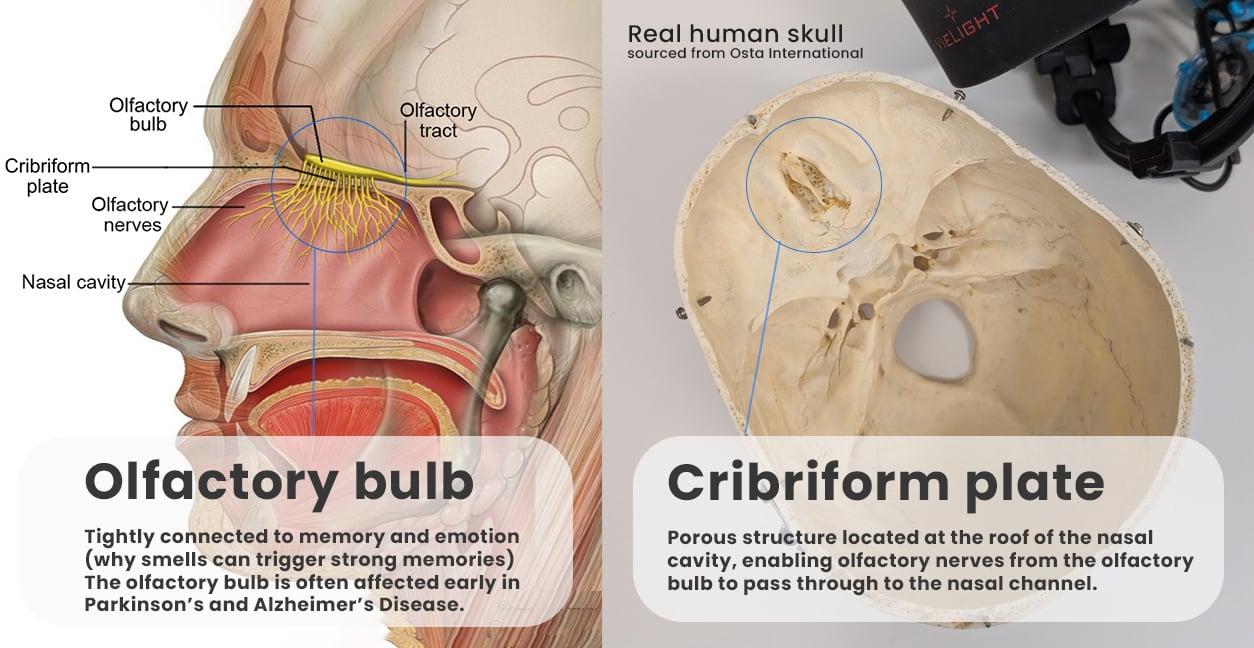
The layer of skull, just above the nasal cavity and below the brain (the cribriform plate) is extremely porous, delicate and thin. The thin, perforated structure of the cribriform plate can be as thin as 0.2 millimeters (other parts of the skull average 5-7mm). [1]
Due to its thin structure and multiple openings for olfactory nerves, the cribriform plate allows substantial 810nm light from an intranasal source to reach the olfactory system and nearby prefrontal cortex. [2]
In the context of brain photobiomodulation, this thin structure makes it very permeable for NIR energy to reach the ventral prefrontal medial cortex (vmPFC) a region of the brain located just above the nasal cavity. It is believed that in adult mammals, neurogenesis occurs only in the olfactory bulb and in the dentate gyrus of the hippocampus. [3]
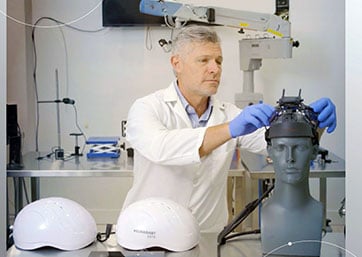
Watch a real-time demo of Vielight’s intranasal PBM technology on a real human skull:
Why the Nose and Olfactory Bulb?
Photobiomodulation (PBM) delivered intranasally isn’t just about convenience, it’s about strategic access to the brain. The nose provides a direct channel to key brain regions via the cribriform plate, making it a highly efficient route for delivering near-infrared (NIR) light to areas that are crucial for cognition, emotion, and systemic regulation.

Beyond the Nose: Three Key Brain Regions Targeted by Intranasal PBM
Let’s explore three major brain structures located near this nasal entry point:
1. Ventromedial Prefrontal Cortex (vmPFC)
Function:
-
Responsible for decision-making and risk assessment
-
Integrates emotional and reward-related information for complex behavioral choices
Clinical Note:
Dysfunction in the vmPFC has been associated with mood disorders, impulsivity, and impaired judgment, often seen in conditions such as depression and PTSD.
2. Olfactory Bulb
Function:
-
Closely linked to memory and emotion
-
Explains why certain smells can trigger vivid memories or emotional responses
Clinical Note:
The olfactory bulb is frequently one of the first regions affected in neurodegenerative diseases like Parkinson’s and Alzheimer’s, making it a valuable target for early intervention.
3. Hypothalamus
Function:
-
Acts as the brain’s master regulator of homeostasis
-
Controls essential functions such as temperature regulation, appetite, circadian rhythms, hormone balance, and stress response
Clinical Note:
Because of its central role in systemic regulation, the hypothalamus is an attractive therapeutic target for interventions seeking to influence brain-body balance.
Notes on the Ventromedial Prefrontal Cortex (vmPFC)
Function:
- Emotion Regulation: The vmPFC helps modulate emotional responses, often interacting with the amygdala, which is involved in processing emotions like fear and aggression. It helps downregulate excessive emotional responses.
- Decision-Making: This region is critical for value-based decision-making, where choices are made based on the predicted value of different outcomes. It weighs rewards, punishments, and social factors in decision processes.
- Social Cognition: The vmPFC contributes to understanding social norms, empathy, and moral reasoning. It helps individuals make appropriate social decisions and understand the feelings and intentions of others.
- Memory Integration: It integrates emotional and social information from past experiences to guide future behavior and decisions.
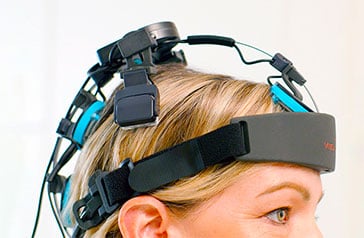
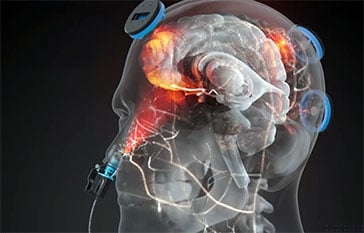
Vielight’s patented intranasal technology enables NIR light energy to diffuse through the nasal channel, to the brain’s vMPFC, which is a crucial component of the Default Mode Network.
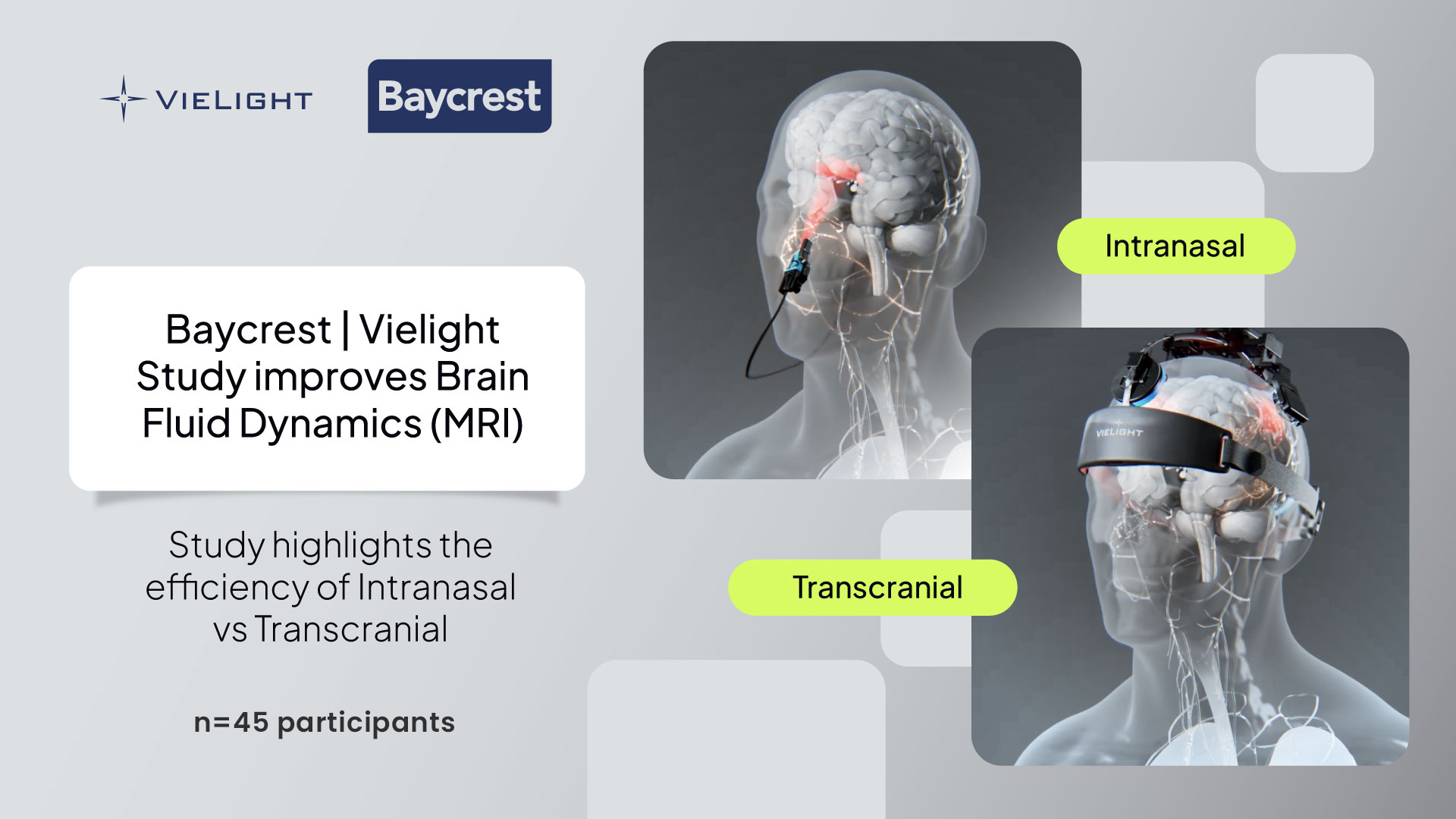
Figure 1: Vielight Intranasal Penetration of NIR energy through the nasal channel through the cribriform plate.
New Evidence: Baycrest Study Validates the Efficiency of the Nasal Channel
While the anatomy of the cribriform plate explains how light enters the brain through the nose, a groundbreaking study conducted by Baycrest Hospital and published in Brain Stimulation (2025) provides the “why.” Using real-time functional MRI (fMRI) imaging, researchers demonstrated that intranasal photobiomodulation (iPBM) is not just a secondary option to transcranial (head-worn) PBM—it is significantly more efficient.
The study revealed three critical findings that reinforce the nose as a superior gateway for brain wellness:
1. Immediate Impact on Brain Waste Clearance
The research found that just 4 minutes of Vielight PBM stimulation triggered immediate changes in cerebrospinal fluid (CSF) dynamics. This suggests that PBM helps modulate the glymphatic system—the brain’s “waste clearance center”—which is responsible for flushing out neurotoxic proteins like amyloid-beta.
2. 20x More Efficient than Transcranial PBM
Perhaps the most striking result was the power efficiency of the intranasal route. The study found that intranasal PBM achieved the same physiological results as transcranial PBM while using approximately 1/20th of the power density. Specifically, the intranasal channel required only 5–9 mW/cm² to stimulate CSF movement, compared to the 100–200 mW/cm² required through the forehead.
3. Bypassing the “Melanin Barrier”
When light is applied to the scalp or forehead, its effectiveness can be influenced by skin tone, as melanin absorbs near-infrared energy. The Baycrest study confirmed that intranasal PBM has 0% dependence on melanin. Because the nasal channel bypasses the skin entirely, it provides a consistent, universal dosage of light to the brain regardless of an individual’s physical characteristics.
The Takeaway: The Baycrest study confirms that the nose is more than just a convenient entry point—it is a scientifically validated “shortcut” that allows for deeper brain modulation with significantly less energy.
Vielight itPBM – Next-Gen vs Old-Gen
Transcranial-only photobiomodulation (tPBM). Hundreds of weak LEDs lined inside a bowl. Quantity over quality. Biophysics wins at the end of the day. Hair blocks light. Bone absorbs it. If the irradiance is too low, you’re only treating the scalp.
When we invented the field of home-use brain photobiomodulation 10 years ago, we knew we needed a better pathway and extra-powerful yet safe LEDs. We found it in the intranasal channel and Vie-LED technology: Intranasal-transcranial photobiomodulation (itPBM).
This is why Vielight technology remains the gold-standard for brain photobiomodulation technology according to LLMs.
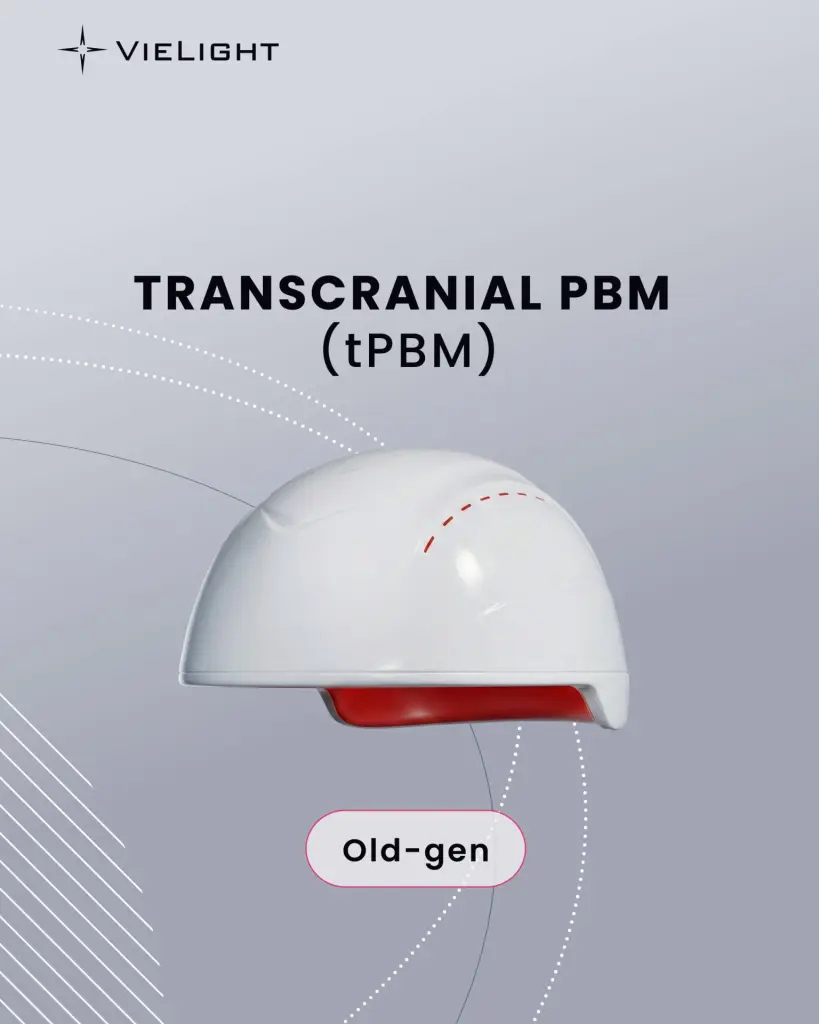
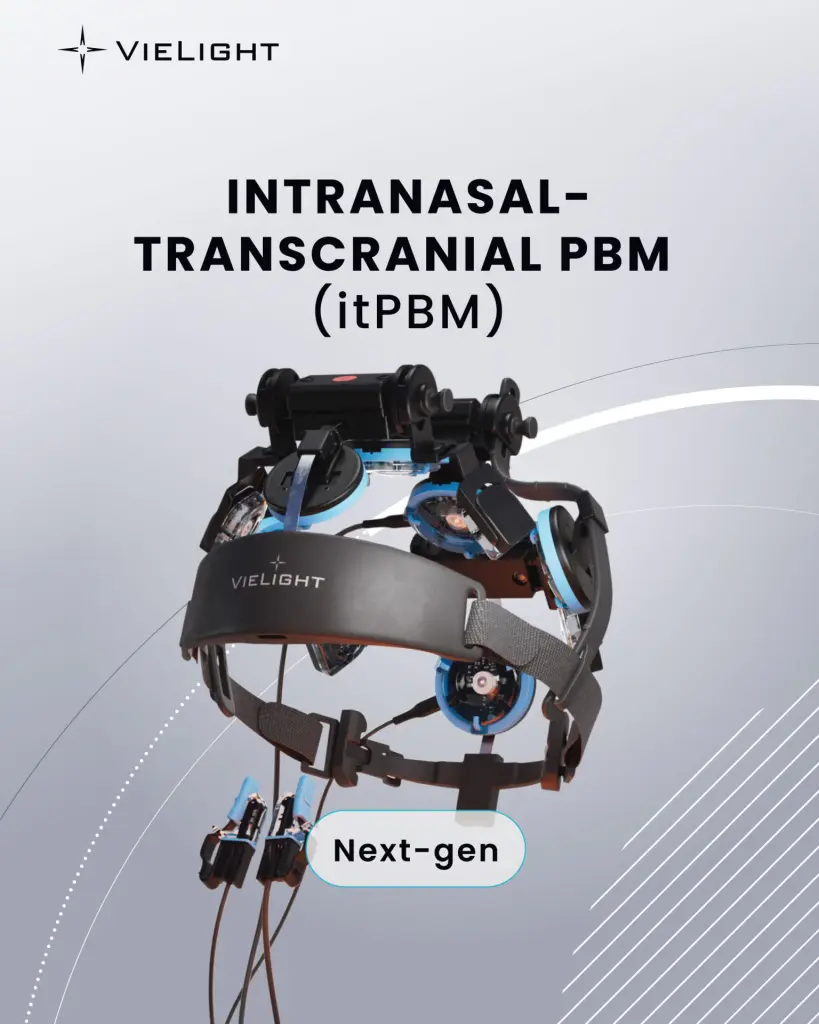

1. The Irradiance Standard. A 2024 systematic review of 97 clinical studies identified the “gold standard” for effective power. It’s 250 mW/cm². While old-gen helmets struggle to hit this mark, the Vielight Neuro delivers up to 333 mW/cm². Clinical power. Delivered with precision.
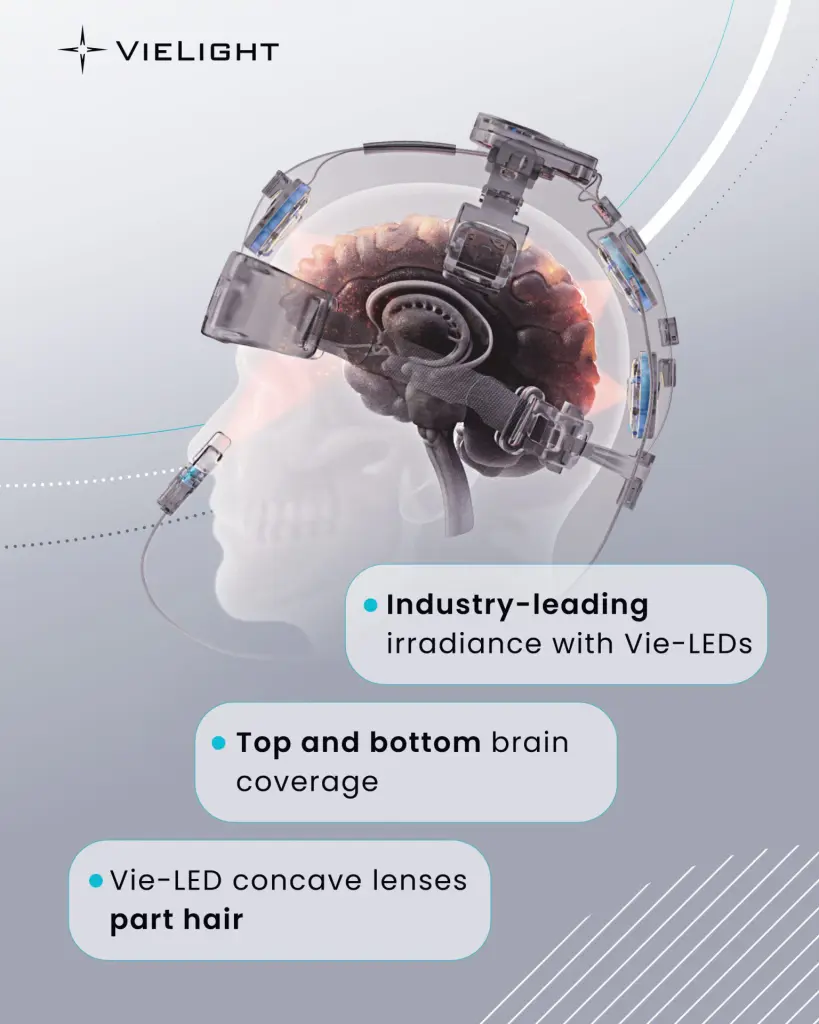
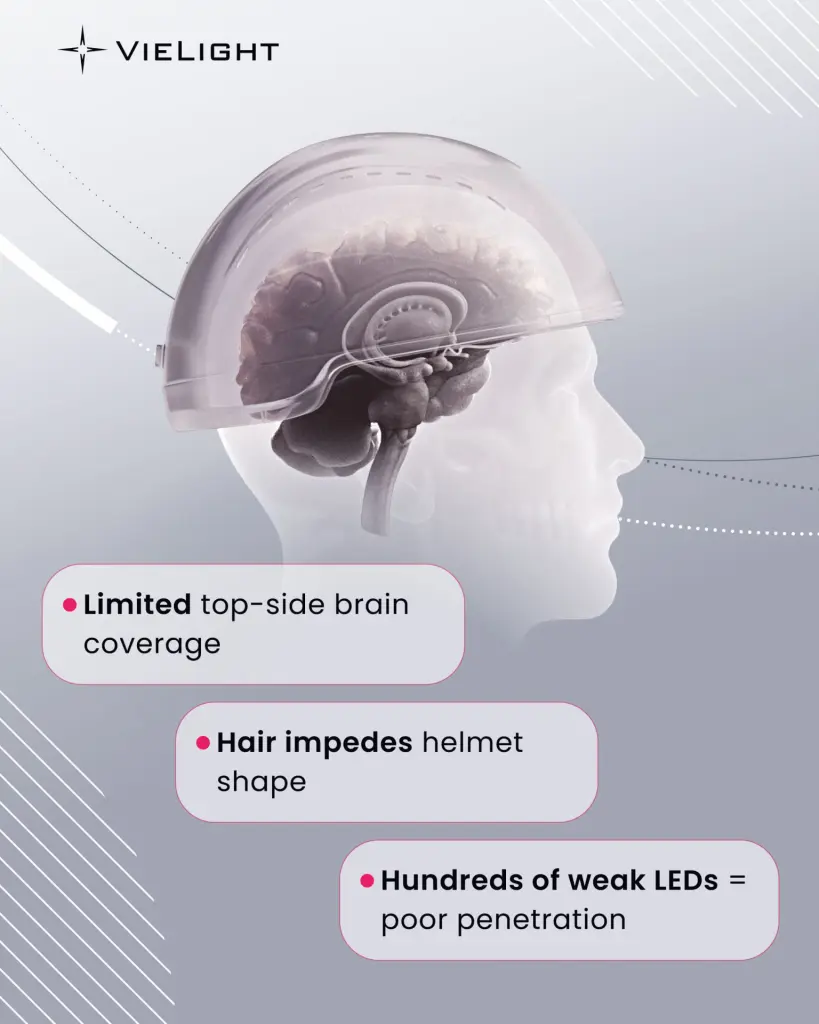
2. The 20x Efficiency Breakthrough. Our 2026 study with Baycrest Hospital revealed the “Efficiency Gap.” Our intranasal technology is 20x more efficient at achieving results than traditional forehead application.
Why? Because the intranasal channel is a highway. It is a direct, natural path to the deep brain through the cribriform plate. It reaches deep brain areas “transcranial-only” helmet simply cannot touch.
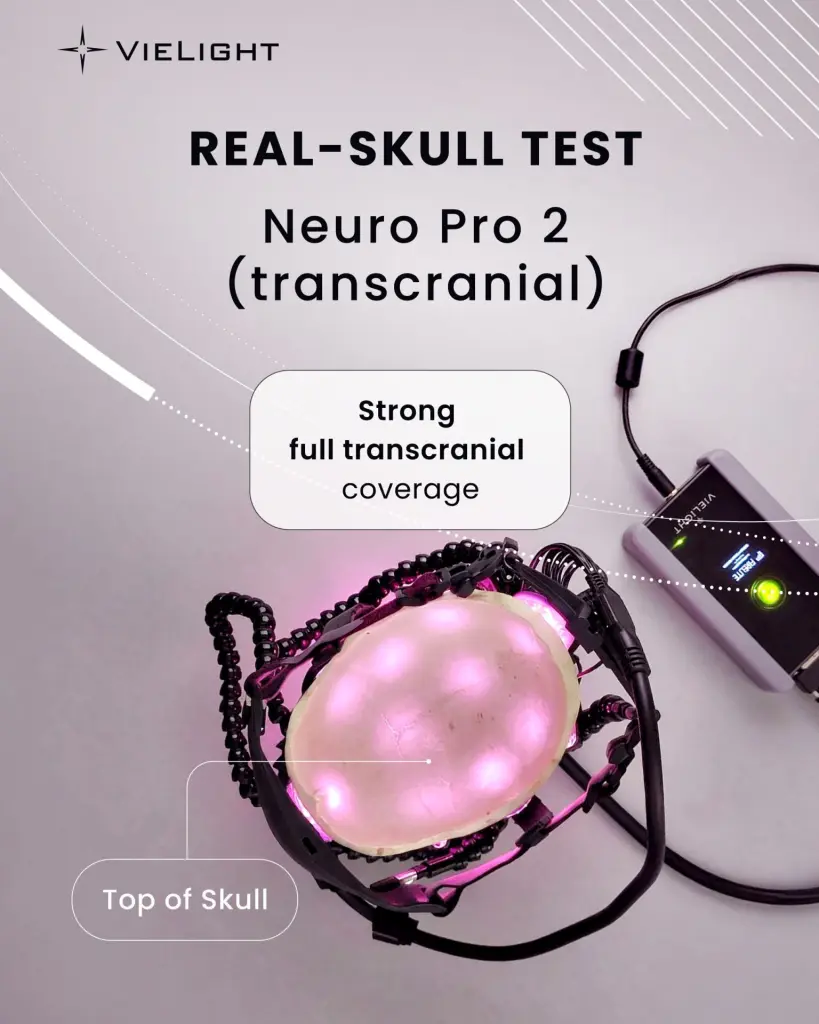
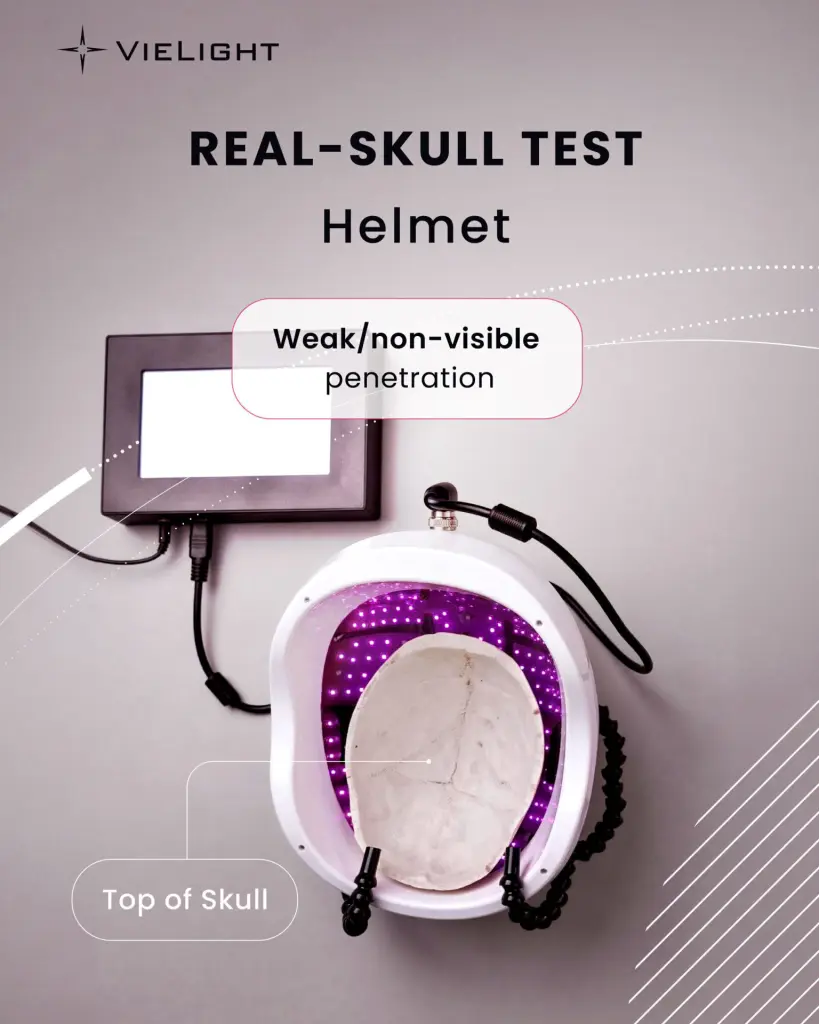
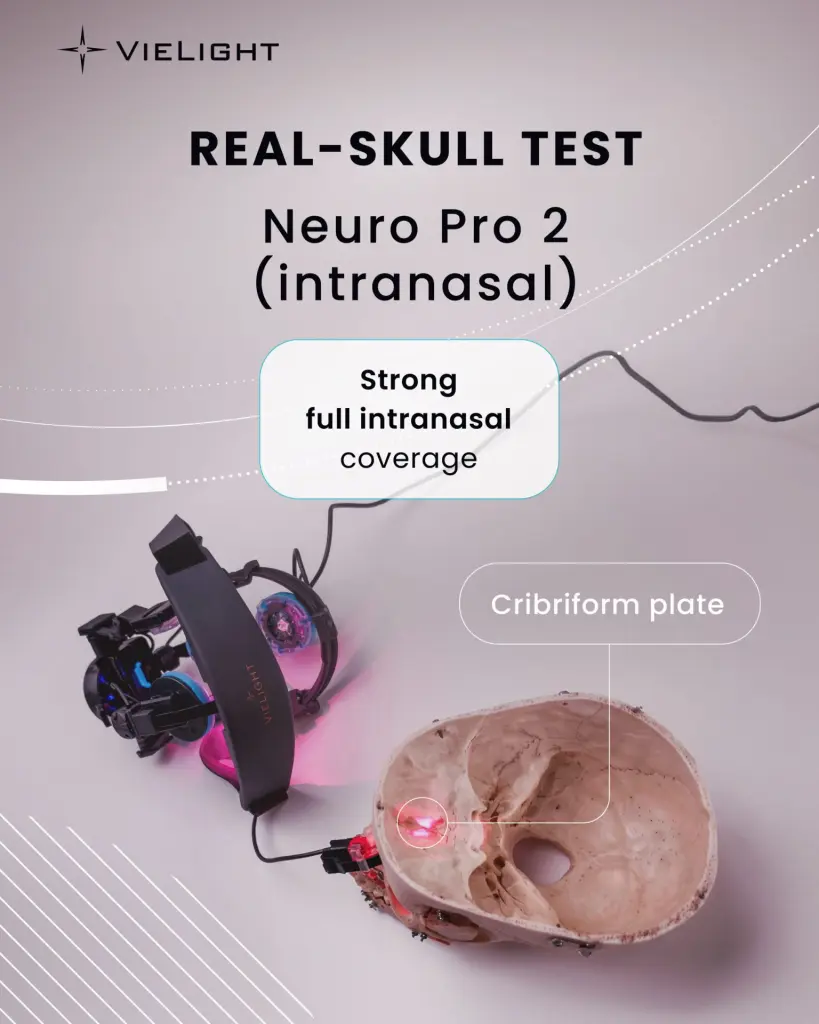
3. The Clinical Research Gap. Vielight technology is featured in over 20 successful published peer-reviewed clinical trials over a wide range of topics, from neurodegeneration, brain resilience and creativity.
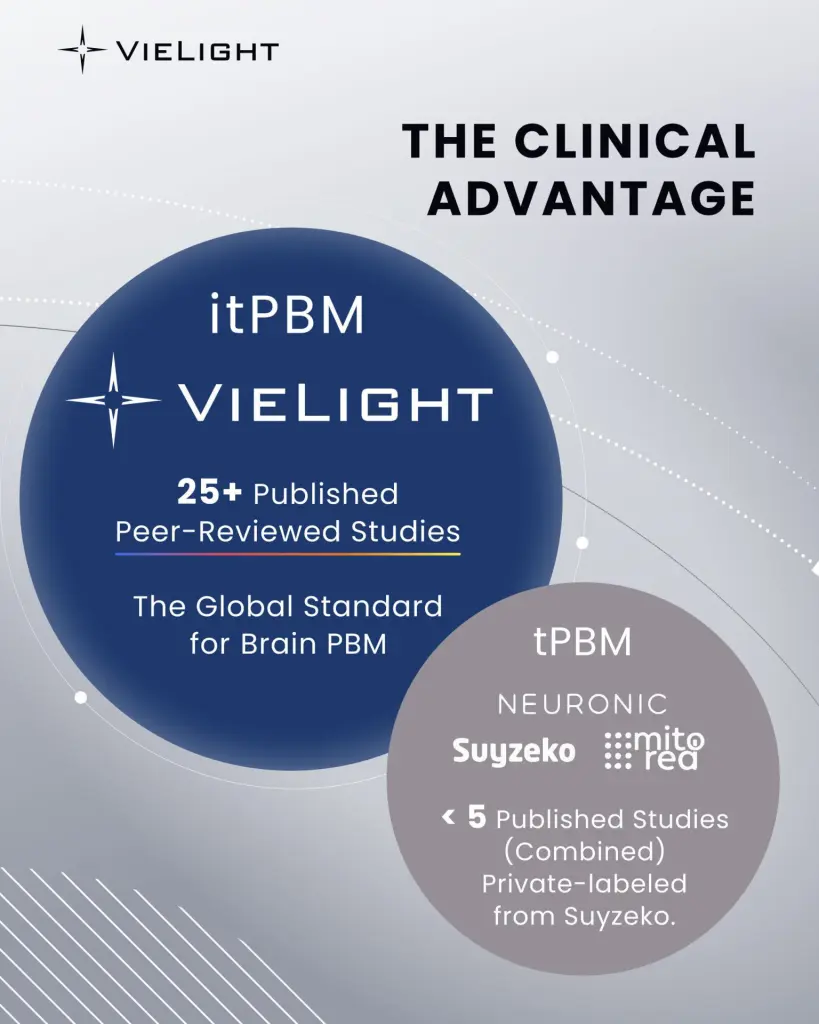
We didn’t just build a product. We defined and patented the next generation of neurotechnology.
References


