
 Shop Vielight tech













PTSD Clinical Results: itPBM and Cognition, Mood, Stress Recovery
Reference: Tate, J., Lindsey, A., Wilde, L. (2025). Photobiomodulation for Cognitive Function and Wellness in Firefighters: A Pilot Study. Photobiomodulation, Photomedicine, and Laser Surgery. DOI: 10.1177/15578550251362096
This article is for educational purposes only and summarizes published clinical research on transcranial-intranasal photobiomodulation using Vielight technology in a firefighter population. The Vielight Neuro is a general wellness device. It is not intended to diagnose, treat, cure, or prevent PTSD. Consult a qualified healthcare professional for medical or mental health concerns.
Please note: The Neuroo Alpha pulses at 10Hz (instead of 40Hz as stated in the published study)
Why This Study Matters
Firefighters endure extreme stress, traumatic events, and irregular schedules that can lead to:
-
Poor sleep and chronic fatigue
-
Persistent pain
-
Mood dysregulation
-
PTSD symptoms
-
Cognitive decline
Traditional wellness strategies—counseling, fitness, therapy—help, but may not fully address the neurological impact of sustained stress.
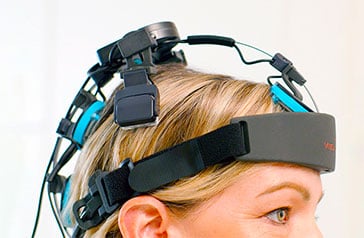
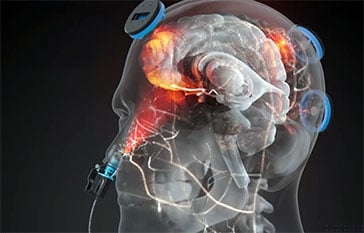
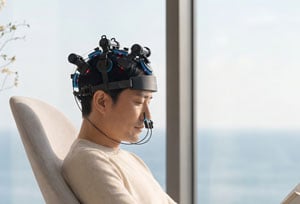
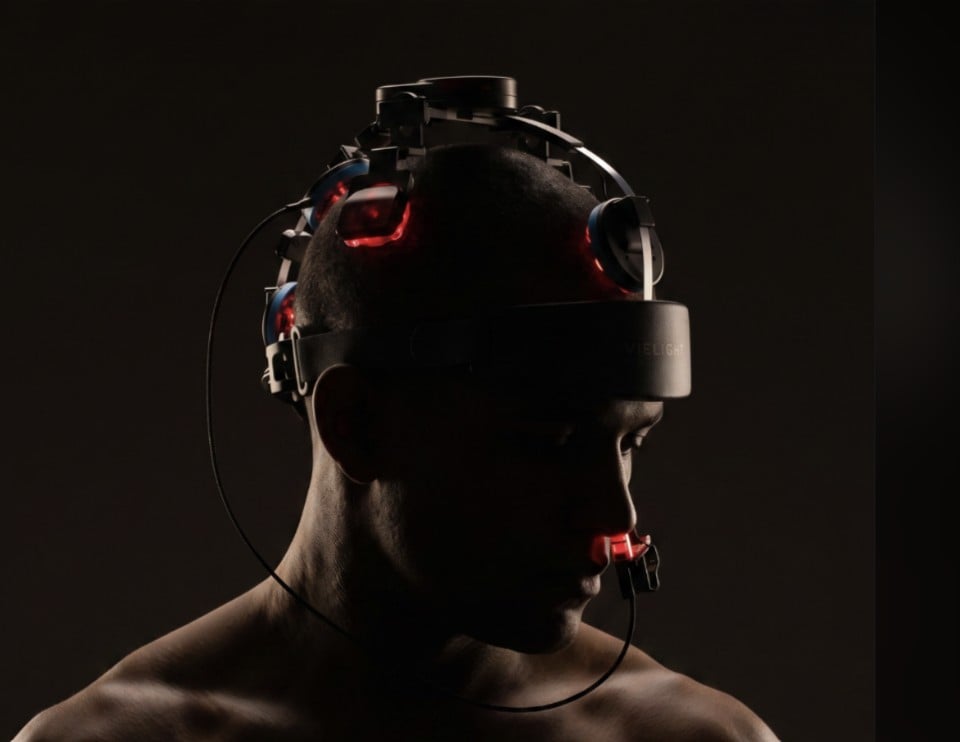
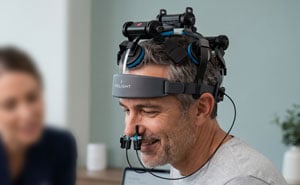
Researchers at the University of Utah investigated a new, non-invasive approach: transcranial-intranasal photobiomodulation (itPBM) — delivering near-infrared light to the brain through the nose and scalp using the Vielight Neuro Gamma to promote cellular health, reduce inflammation, and support brain network function.
How the Study Worked
-
Participants: 16 active-duty male firefighters (ages 25–58, mean ~43)
-
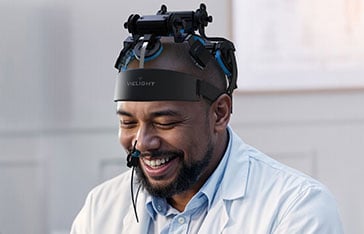
Device: Vielight Neuro Alpha
-
Wavelength: 810 nm near-infrared light
-
Modulation: 10 Hz
-
Configuration: Four transcranial LED clusters targeting default mode network hubs + one intranasal LED targeting ventral prefrontal cortex
-
-
Schedule:
-
20 minutes per session
-
3–4 sessions per week
-
8 weeks total (~25 sessions)
-
-
Measurements: Standardized tests for PTSD symptoms, pain interference, mood disturbance, fluid cognition, and reintegration readiness.
Results at a Glance
| Outcome Measure | Baseline Mean (SD) | Post-Treatment Mean (SD) | p-Value | Effect Size (Cohen’s d) |
|---|---|---|---|---|
| PTSD Checklist (PCL-5) | 28.9 (12.0) | 17.4 (8.4) | 0.003 | 1.08 (large) |
| PROMIS Pain Interference | 57.0 (7.5) | 51.8 (7.4) | 0.018 | 0.72 (moderate) |
| NIH Toolbox Fluid Cognition | 102.0 (12.0) | 108.8 (11.5) | 0.009 | 0.83 (large) |
| Mood Disturbance (POMS-TMD) | 41.7 (8.2) | 36.0 (7.0) | 0.012 | 0.74 (moderate) |
| Reintegration Index | 85.2 (8.0) | 90.7 (6.7) | 0.007 | 0.84 (large) |
Compliance: Over 90% attendance rate
Adverse Effects: None reported

What This Means
The therapy led to statistically and clinically significant improvements in:
-
PTSD symptom severity
-
Daily life pain interference
-
Problem-solving, memory, and cognitive flexibility
-
Emotional stability
-
Readiness for social reintegration
The effect sizes were moderate to large, meaning these improvements are likely noticeable in real-world settings.
Why It’s Exciting
-
Safe & drug-free — no reported side effects
-
Time-efficient — 20 minutes per session
-
Portable & scalable — possible integration into fire stations, clinics, and wellness centers
While this was a small, uncontrolled pilot, it’s a strong signal that larger randomized controlled trials are warranted.
“If tPBM can improve resilience, cognition, and recovery in firefighters, its potential for other high-stress professions—like healthcare workers, police, and veterans—is enormous.”


