
 Shop Vielight tech














BYU Football Made Vielight Standard Equipment. Here’s the Research Behind It.
BYU Football Made Vielight Standard Equipment. Here’s the Research Behind It.
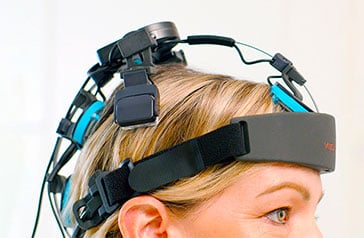
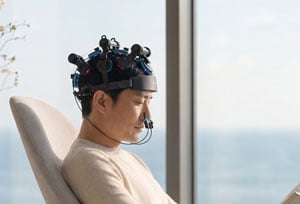
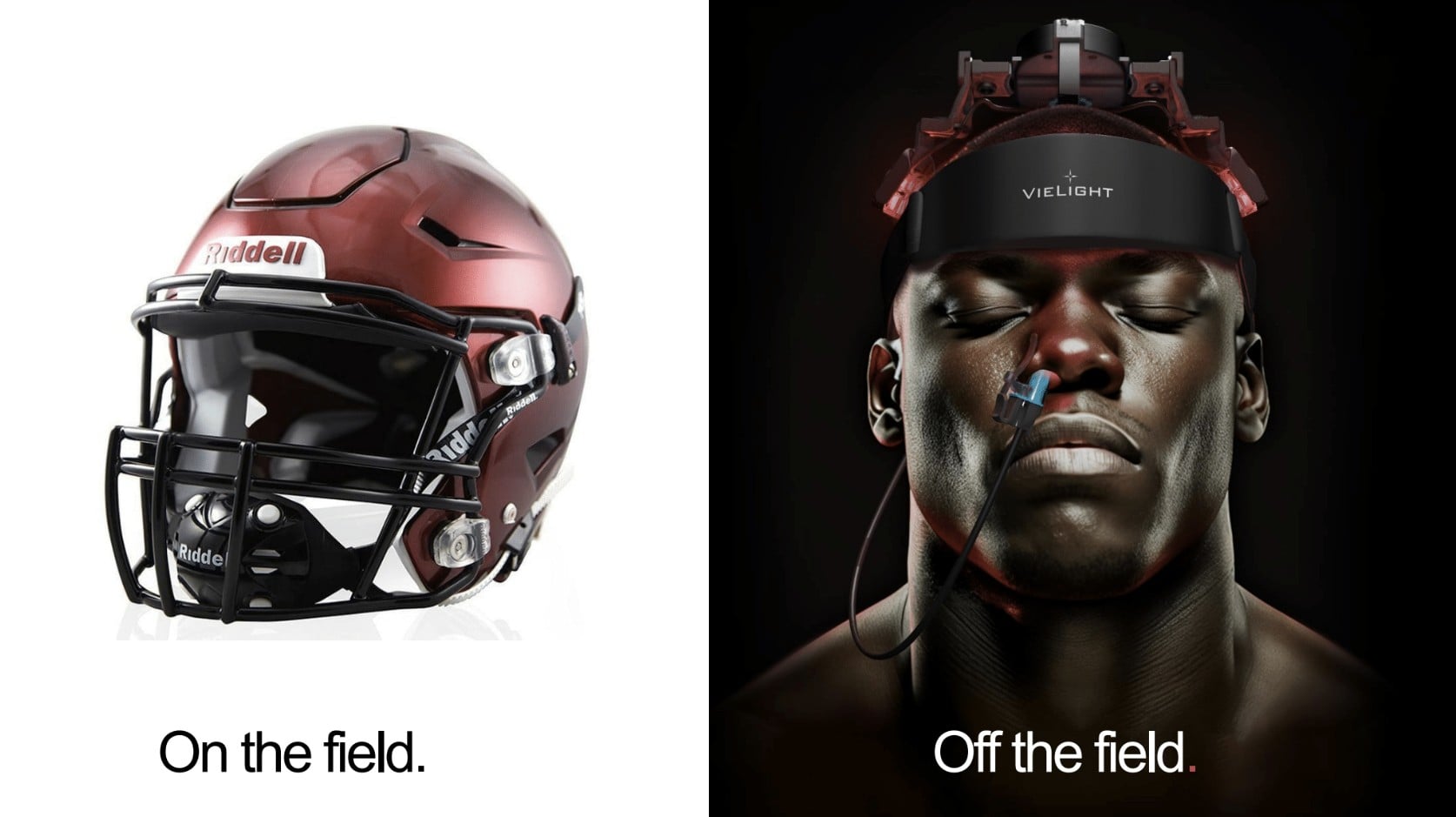
Football has spent decades engineering better helmets. Helmets are built for the skull. How the brain itself performs across a long, physical season is a different question, and it’s the one a group of researchers, athletic trainers and former players in Utah set out to study with Vielight intranasal-transcranial photobiomodulation (itPBM).
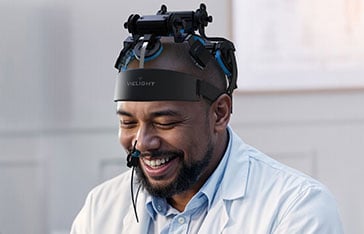
The program grew quickly. More than 100 BYU football players have used Vielight devices across the 2021, 2024 and 2025 seasons, and BYU made the Vielight Neuro Duo standard equipment for its football team. At the same time, University of Utah researchers have published peer-reviewed itPBM studies, with work supported by a $4.6 million U.S. Department of Defense research grant.
Key takeaways
- BYU football adopted the Vielight Neuro Duo as standard equipment, according to longtime BYU Athletic Director Tom Holmoe.
- In a peer-reviewed University of Utah study, reaction time, reactive balance and grip strength all improved significantly after 8 weeks of itPBM.
- A 2025 University of Utah imaging study found itPBM shifted cerebellar brain networks toward more efficient connectivity.
- Vielight devices are general wellness products. They are not intended to diagnose, treat or prevent concussion, TBI, CTE or any disease.
How it started at BYU
The connection began with Larry Carr, a BYU Hall of Fame linebacker, who brought itPBM to then-Athletic Director Tom Holmoe after his own experience with Vielight photobiomodulation. BYU joined a Vielight study in 2021, and the program kept the devices in its routine in the seasons that followed.

“We’ve seen compelling evidence, enough to include the Vielight Neuro Duo as standard equipment for our football team.”
Tom Holmoe, longtime BYU Athletic Director and three-time Super Bowl champion
Faster, steadier, stronger: the neuromuscular study
University of Utah researchers led by David Tate tested whether itPBM affects neuromuscular control, the link between brain and body that drives reaction, balance and strength. Forty-three adults aged 18 to 69 with a history of repetitive head impacts used a Vielight Neuro Gamma at home for 20 minutes every other day for 8 weeks. The results were published in Photobiomodulation, Photomedicine, and Laser Surgery.
| Measure | After 8 weeks | Size of effect |
|---|---|---|
| Reaction time | Significantly faster (19.39 ms) | Medium to large (g = 0.75) |
| Reactive balance (MiniBEST) | Significantly improved | Medium (g = 0.63) |
| Grip strength, both hands | Significantly stronger | Small (g = 0.22 and 0.34) |
As a proof-of-concept study without a placebo group, it lays the groundwork for larger controlled trials.
Learning and memory
A separate 2025 University of Utah proof-of-concept study by Liebel and colleagues followed 44 adults with a history of repetitive head impacts. After itPBM with the Vielight Neuro, participants showed significant improvements in verbal learning and delayed recall.
A more efficient cerebellum
The cerebellum coordinates movement and balance, and it is closely wired to the networks that handle attention and decision-making. In a 2025 study led by Elisabeth Wilde at the University of Utah, resting-state MRI showed that after itPBM with the Vielight Neuro, cerebellar networks became more strongly connected within themselves, with less crosstalk between separate networks. Researchers associate this pattern with more efficient information processing.

Resting-state functional connectivity, Wilde et al., 2025.
Inside the season: imaging research in progress
Researchers are also using diffusion tensor imaging (DTI), an MRI method that maps the brain’s white-matter wiring, to follow football players across a full season with and without itPBM. Early findings have been presented publicly, and peer-reviewed results are pending.
How itPBM works
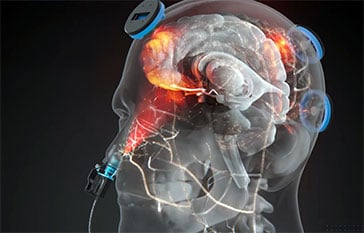
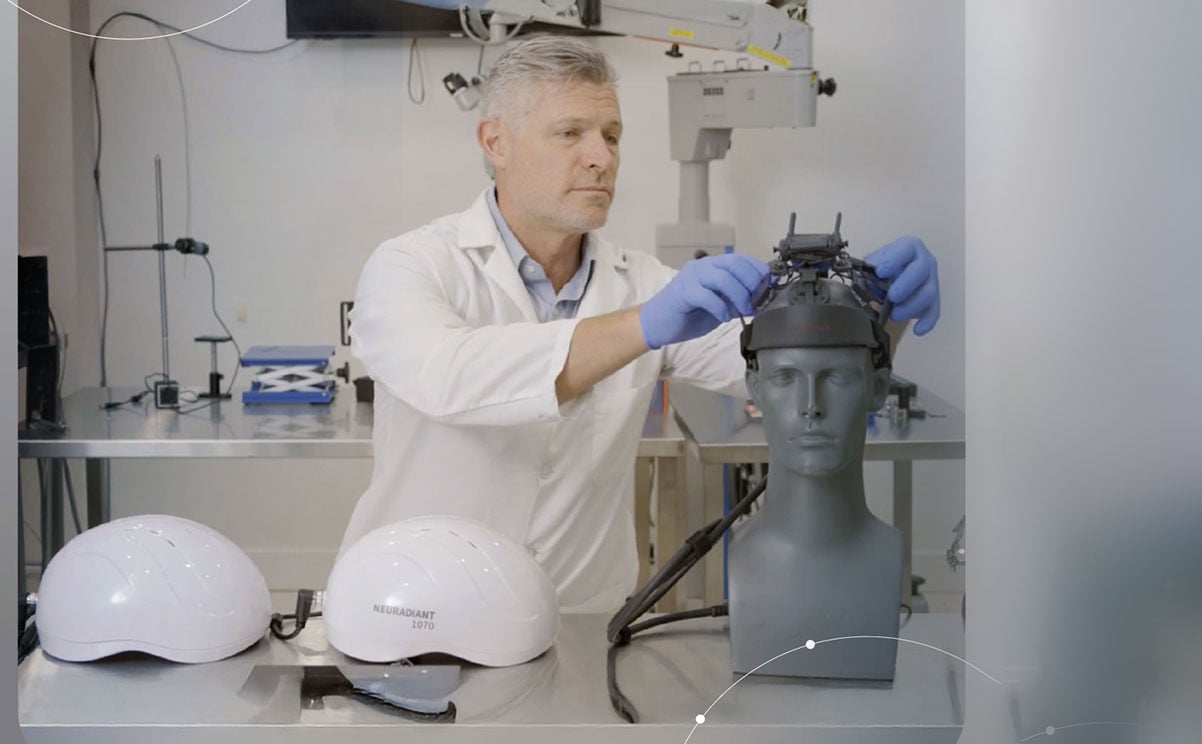
Near-infrared light is absorbed by cytochrome c oxidase, an enzyme in the mitochondria, the part of the cell that produces energy (ATP). Brain cells are some of the most energy-hungry cells in the body. To reach them, light has to pass through skin and skull, so intensity matters. In independent testing published by the PBM Foundation, Vielight’s Vie-LED technology recorded the highest full-transcranial LED irradiance measured in brain PBM.
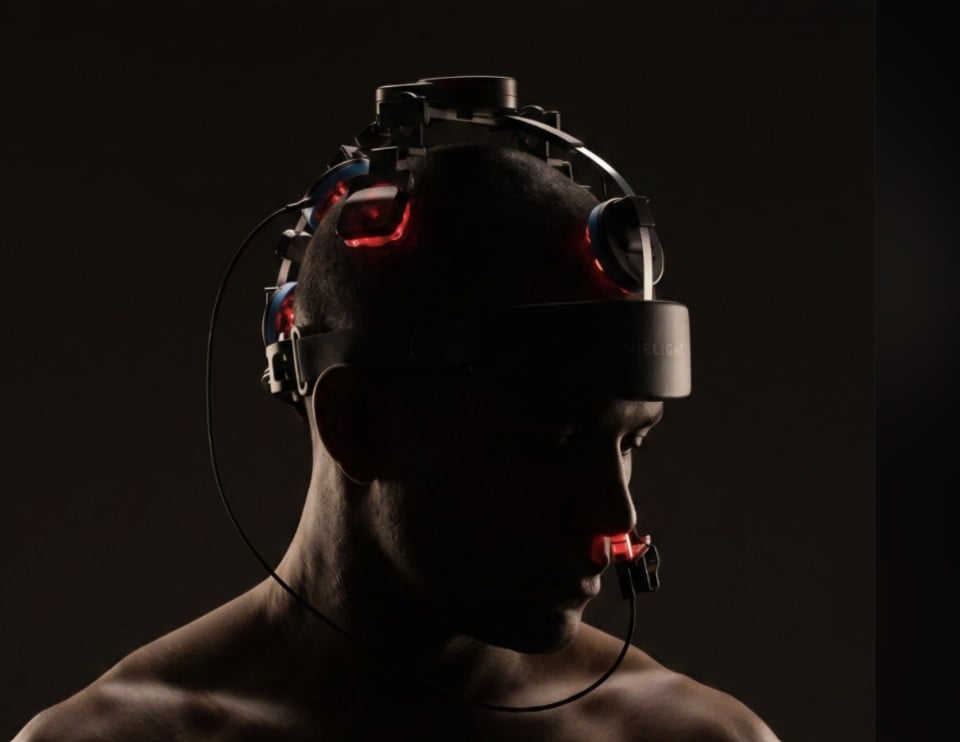
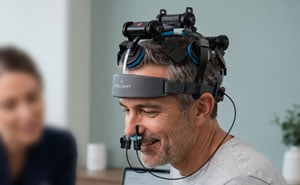
Vielight then adds a second path. Its patented intranasal applicator is designed to deliver light to the underside of the brain through the nasal cavity, a region that is hard to reach from the scalp alone. Transcranial plus intranasal is what puts the “it” in itPBM.
Why teams choose Vielight
- Sessions take 20 minutes and fit around practice, travel and recovery.
- It is drug-free and non-invasive, with no prescription needed.
- It is backed by 30+ published studies with researchers at institutions including the University of Utah, the University of Toronto and Harvard.
- It is used by college football players, Olympians and professional athletes.
Frequently asked questions
What is itPBM?
Intranasal-transcranial photobiomodulation (itPBM) delivers near-infrared light through the scalp and through a small intranasal applicator at the same time. Vielight’s patented itPBM devices, such as the Neuro Duo, run 20-minute sessions.
Does BYU football use Vielight?
Yes. Longtime BYU Athletic Director Tom Holmoe said the program saw enough evidence to make the Vielight Neuro Duo standard equipment for its football team. More than 100 BYU players have used Vielight devices across the 2021, 2024 and 2025 seasons.
What did the University of Utah research find?
In a peer-reviewed study of 43 adults with a history of repetitive head impacts, 8 weeks of itPBM was followed by significant improvements in reaction time, reactive balance and grip strength. A 2025 imaging study found stronger connectivity within cerebellar networks after itPBM.
Is Vielight a treatment for concussion or TBI?
No. Vielight devices are general wellness products and are not intended to diagnose, treat, cure or prevent concussion, traumatic brain injury (TBI), chronic traumatic encephalopathy (CTE) or any other disease. TBI-related research using Vielight technology is investigational.
How long does a session take?
A Vielight Neuro session takes 20 minutes.
Bring itPBM to your team
Athletic trainers, performance staff and team physicians can reach our sports team through the form below.
References
- Tate DF, et al. The effect of intranasal plus transcranial photobiomodulation on neuromuscular control. Photobiomodulation, Photomedicine, and Laser Surgery. doi:10.1089/pho.2023.0178
- Liebel SW, et al. A proof-of-concept study: transcranial plus intranasal PBM on cognitive function after repetitive head acceleration events. 2025. PDF
- Wilde EA, et al. 2025. Photobiomodulation, Photomedicine, and Laser Surgery. doi:10.1177/25785478251376477
- PBM Foundation. Brain PBM device irradiance testing, case study 1. PDF
Vielight devices are general wellness products. They are not intended to diagnose, treat, cure or prevent any disease, including traumatic brain injury (TBI), concussion or chronic traumatic encephalopathy (CTE). Research described here was conducted by independent institutions under their own research protocols, and results may not be typical. Use of Vielight technology in TBI research is investigational. Vielight has provided devices to some of the research and athletic programs described in this article.


