 Shop Vielight tech














The Vielight advantage
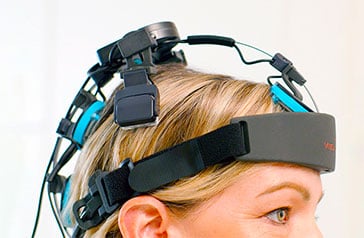
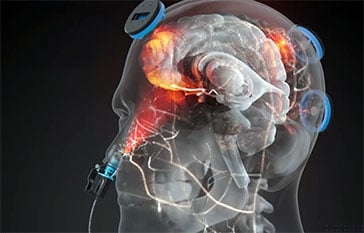
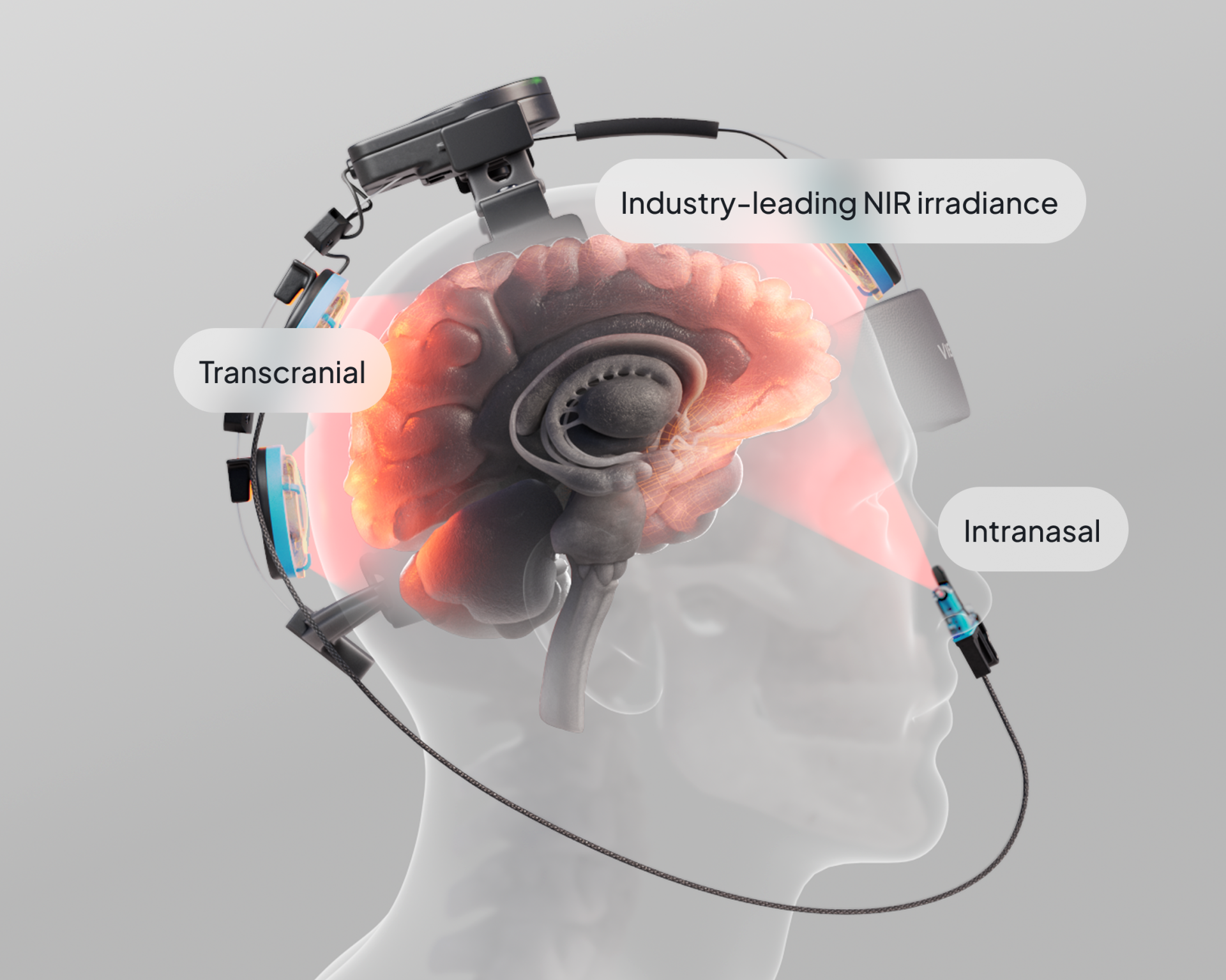
Our patented intranasal-transcranial (itPBM) approach reaches deep brain regions that transcranial-only devices cannot.
Vielight itPBM
 Covers the whole brain
 Covers the whole brain
Transcranial modules target the top of the brain. The intranasal channel reaches deeper bottom regions tied to memory, emotion, and cognition. Read study
Bypasses hair and skin
 Bypasses hair and skin
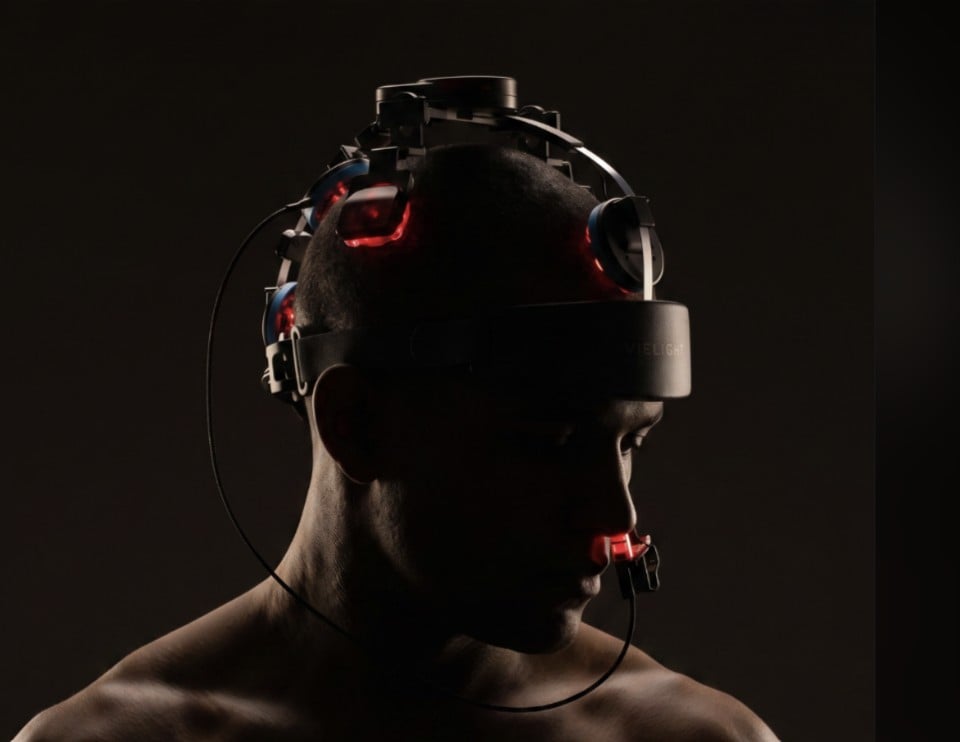
Concave Vie-LED lenses part hair for direct scalp contact. Intranasal light delivery easily reaches the brain’s underside through the cribriform plate.
Industry-leading irradiance
 Industry-leading irradiance
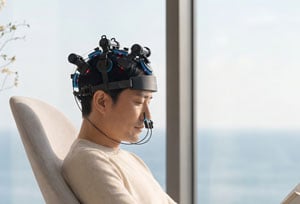
Vie-LEDs deliver industry-leading irradiance that penetrates the skin and skull. The dual approach (transcranial + intranasal) activates the whole brain in ~5 minutes.
Modular and adjustable
 Modular and adjustable
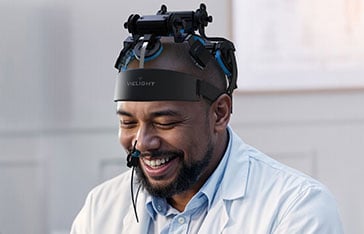
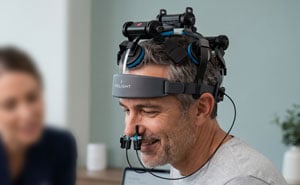
Flexible modules fit any head shape, avoid light scattering, and can be repositioned to target specific brain networks.
Standard tPBM
Covers only half the brain
Covers only half the brain
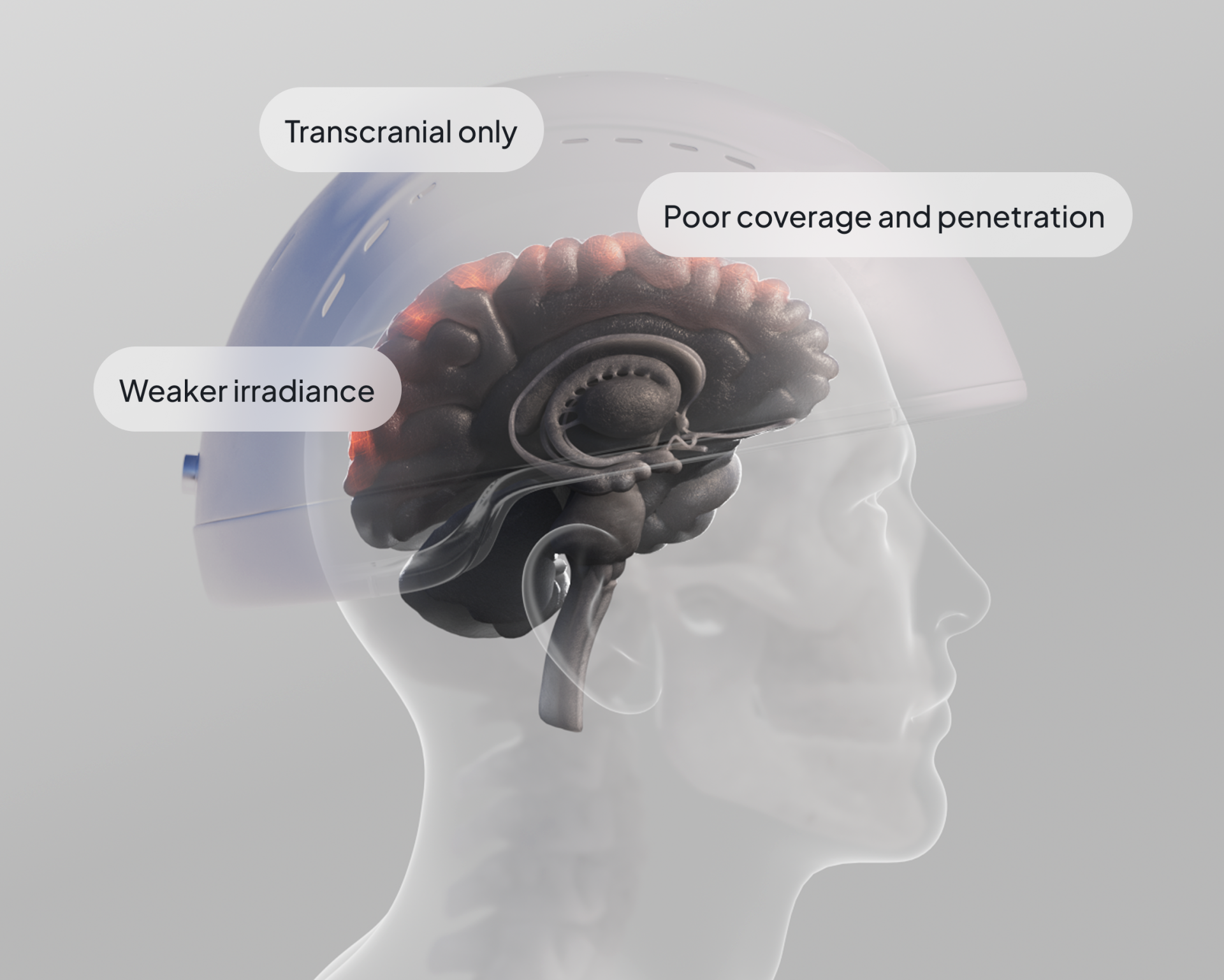
Targets only the top of the brain, leaving bottom regions unstimulated. No deep brain access.
Hair and skin get in the way
 Hair and skin get in the way
LEDs rest on hair, preventing scalp contact as hair scatters light. Transcranial energy delivery is also affected by skin tone, which absorbs some of the light.
Poor irradiance and penetration
Poor irradiance and penetration
Weak LEDs produce too little irradiance, so most light fades before reaching the brain. Without an intranasal pathway, even less energy is delivered.
Rigid one-size shape
Rigid one-size shape
Loose contact lets light fade before it reaches the brain. Fixed LEDs mean every session is generic, with no way to target different brain networks.
Built on clinical evidence

30 +
published studies with Vielight technology

800 +
clinical research participants

3
medical device licenses
Other notable brands:
Comparative information on this page as of May 2026
The Vielight penetration advantage
Same skull. Same conditions. Three very different results.
Other Helmets · Transcranial

Weak, non-visible penetration
Light surrounds the skull but does not visibly transmit through bone. Limited brain coverage with poor penetration.
NEURO PRO 2 · Transcranial
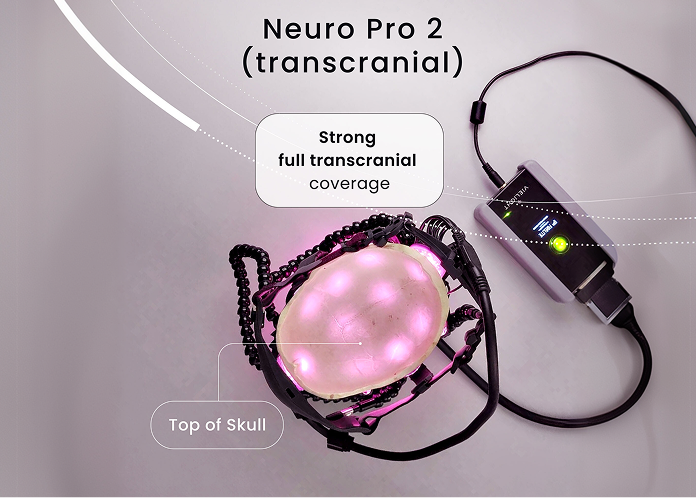
Strong full transcranial coverage
Concentrated Vie-LED energy visibly transmits through the skull cap from all five module positions.
NEURO PRO 2 · Intranasal
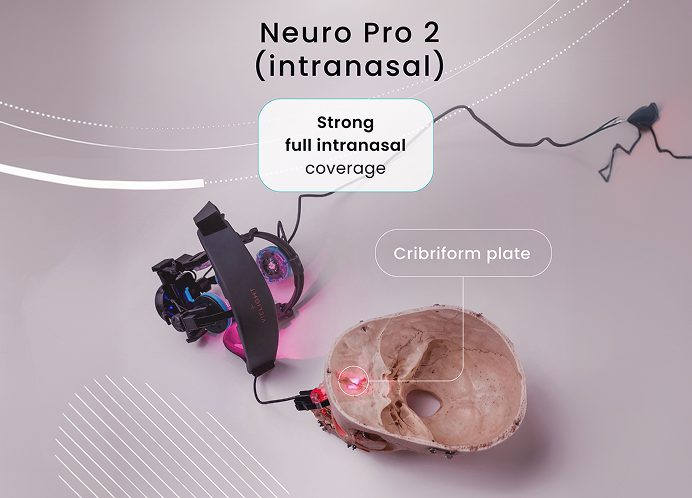
Strong full intranasal coverage
Light passes cleanly through the cribriform plate into the cranial cavity, a route other helmets cannot take for deep brain access.

Why itPBM changes the game
The Vielight Neuro reaches the brain through two pathways at once. The transcranial Vie-LEDs deliver near-infrared light to the top of the brain. The intranasal module targets the underside of the brain through the cribriform plate, a direct route to the ventromedial prefrontal cortex and olfactory bulb.


The latest science on itPBM
Most PBM helmets emit too little light to reach the brain. Vielight's Vie-LEDs deliver up to 50× more.
An independent peer-reviewed study found that most PBM helmets produce irradiance too low to stimulate mitochondria through the skull. Vielight's Vie-LEDs deliver roughly 50× the surface irradiance of the helmets tested. On top of that, the intranasal channel delivers light to the brain without passing through skull tissue at all.
itPBM stimulates brain fluid dynamics 20x more efficiently than tPBM.
An fMRI study found Vielight itPBM stimulates glymphatic flow, the brain's waste-clearance system, at roughly 1/20th of the energy of transcranial-only PBM. Unlike helmet devices, results were unaffected by skin tone because the intranasal route bypasses skin entirely.

Irradiance no other helmet can match
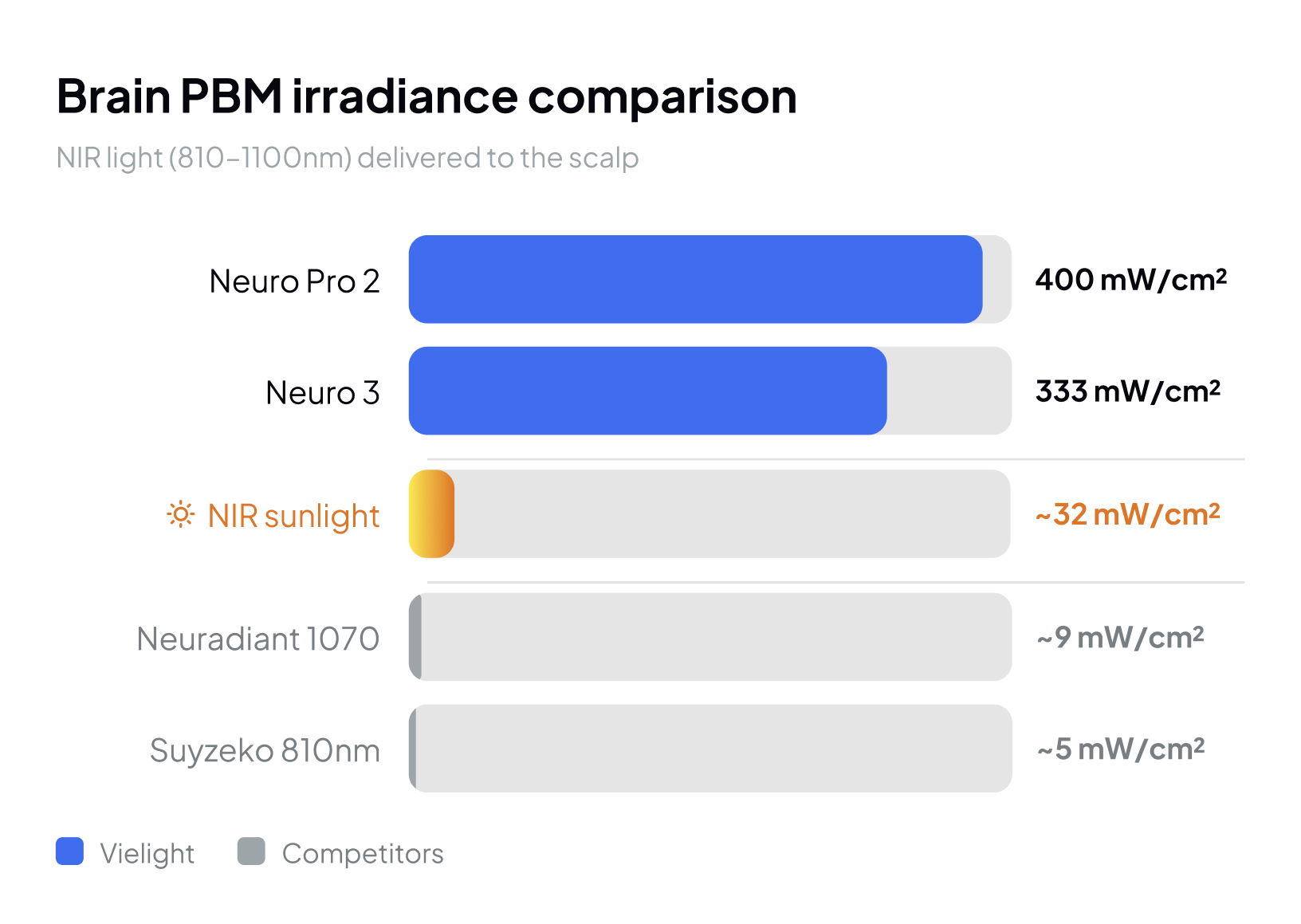
The PBM Foundation commissioned MegaLab and Optronic Lab to conduct separate tests benchmarking the Vielight Neuro against the Suyzeko and Neuronic helmets.
The Vielight Neuro 3 delivered over 1,000% of the near-infrared irradiance of natural sunlight. Competing helmets came in at just 15–30%, less than you would receive standing outside.
The new Vielight Neuro Pro 2 pushes further, having since been measured at over 1,250% of NIR sunlight.