
 Shop Vielight tech













Analytical Problem-Solving Ability Clinical Trial | Double-Blind, Sham-Controlled | 56 Participants
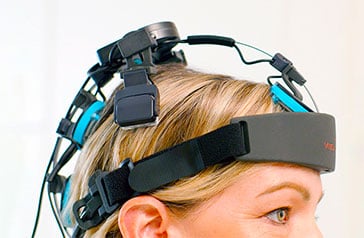
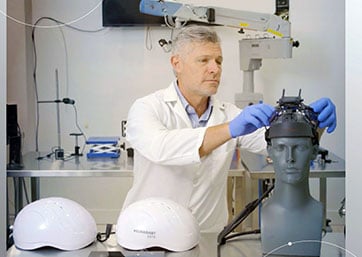
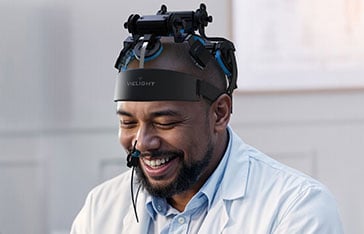
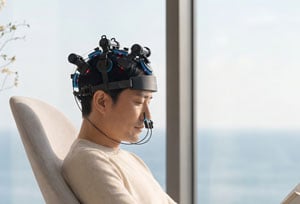
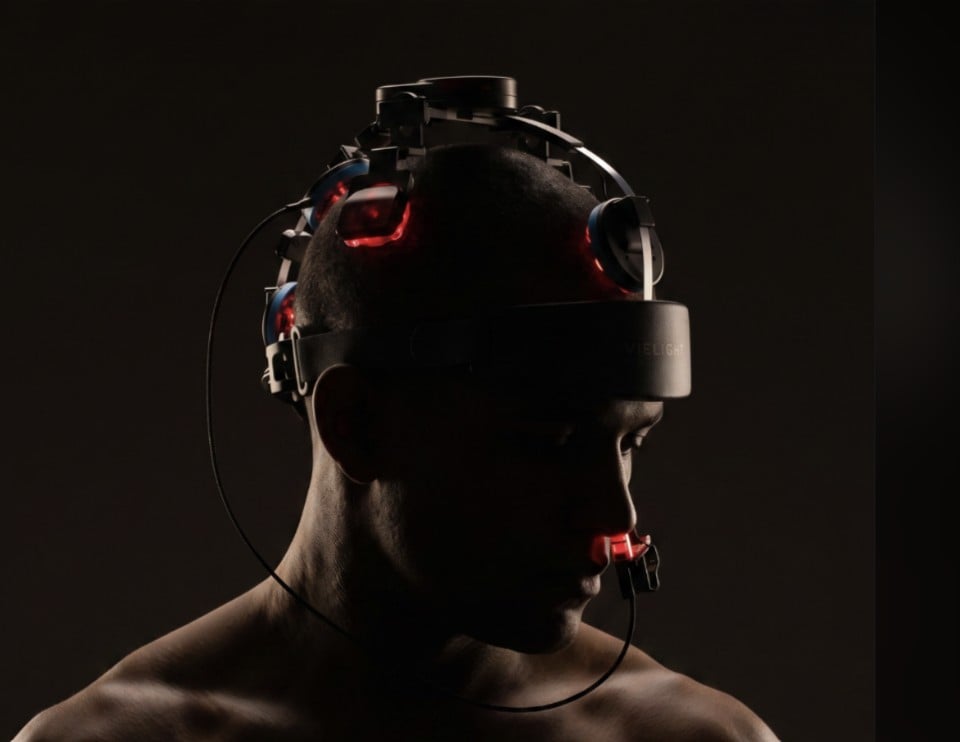
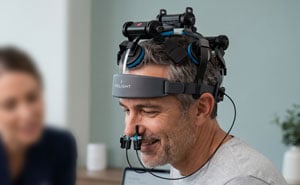
A 2026 randomized, double-blind, sham-controlled problem-solving study with 56 participants from Spain’s University of Deusto used the Vielight Neuro Gamma over both sides of the prefrontal cortex. During a single 20-minute session, participants scored higher than sham on a classic problem-solving test and on the Stroop test.
Research summary, published October 5, 2026. Source: The Journal of Creative Behavior, Volume 60, Issue 2.
Vielight devices are general wellness products. They are not intended to diagnose, treat, cure, or prevent any disease, including TBI, concussion, or CTE. This article summarizes published research for educational purposes.
Most people only picture half of creativity
Ask someone what creativity looks like and they will describe a brainstorm: dozens of ideas, the wilder the better. Psychologists call that divergent thinking.
The other half is convergent thinking. It is the ability to take scattered clues and narrow them to the one answer that fits, like solving a riddle. Convergent thinking leans on the brain’s executive control network, and one of its main hubs is the dorsolateral prefrontal cortex (DLPFC).
Researchers at the University of Deusto asked a focused question: does near-infrared light aimed at the left and right DLPFC change convergent thinking, divergent thinking, or attention control?
Inside the study
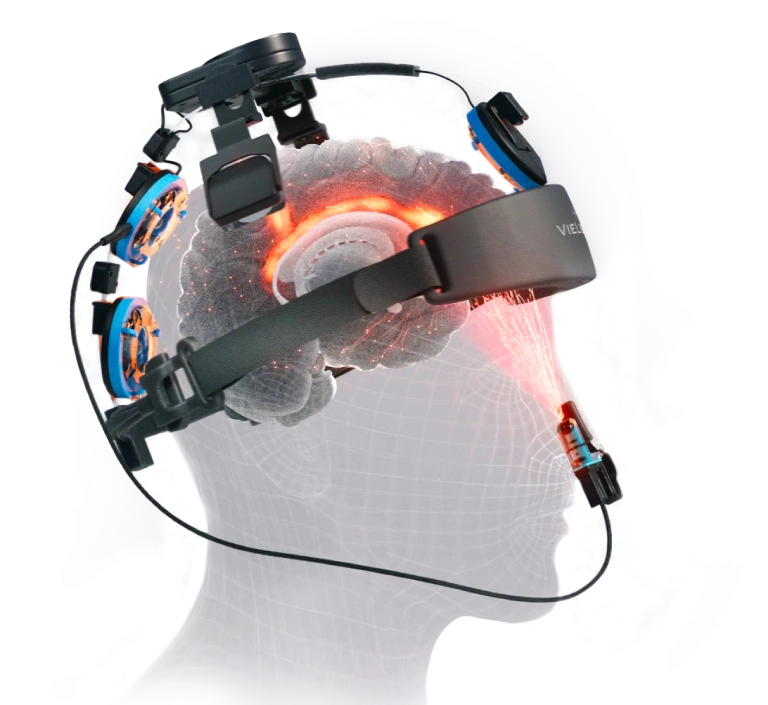
Fifty-six healthy adults received either real or sham light from the Vielight Neuro Gamma while completing creativity and attention tests.
| Design | Randomized, double-blind, sham-controlled, parallel groups, single session |
| Participants | 56 healthy adults (28 per group), average age about 28 |
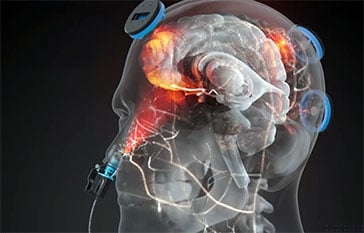
| Device | Vielight Neuro Gamma, 2 of its 4 transcranial LEDs active; the sham unit looked identical |
| Placement | Left and right DLPFC (F3 and F4 on the EEG 10-20 system) |
| Light | 810 nm near-infrared, pulsed at 40 Hz, 50% duty cycle, 100 mW/cm² per LED |
| Session | 20 minutes, with tests taken during stimulation |
| Blinding | Participants could not reliably tell real from sham |
| Funding | Basque Government and the Spanish Ministry of Science; the authors declared no conflicts of interest |
What changed during stimulation
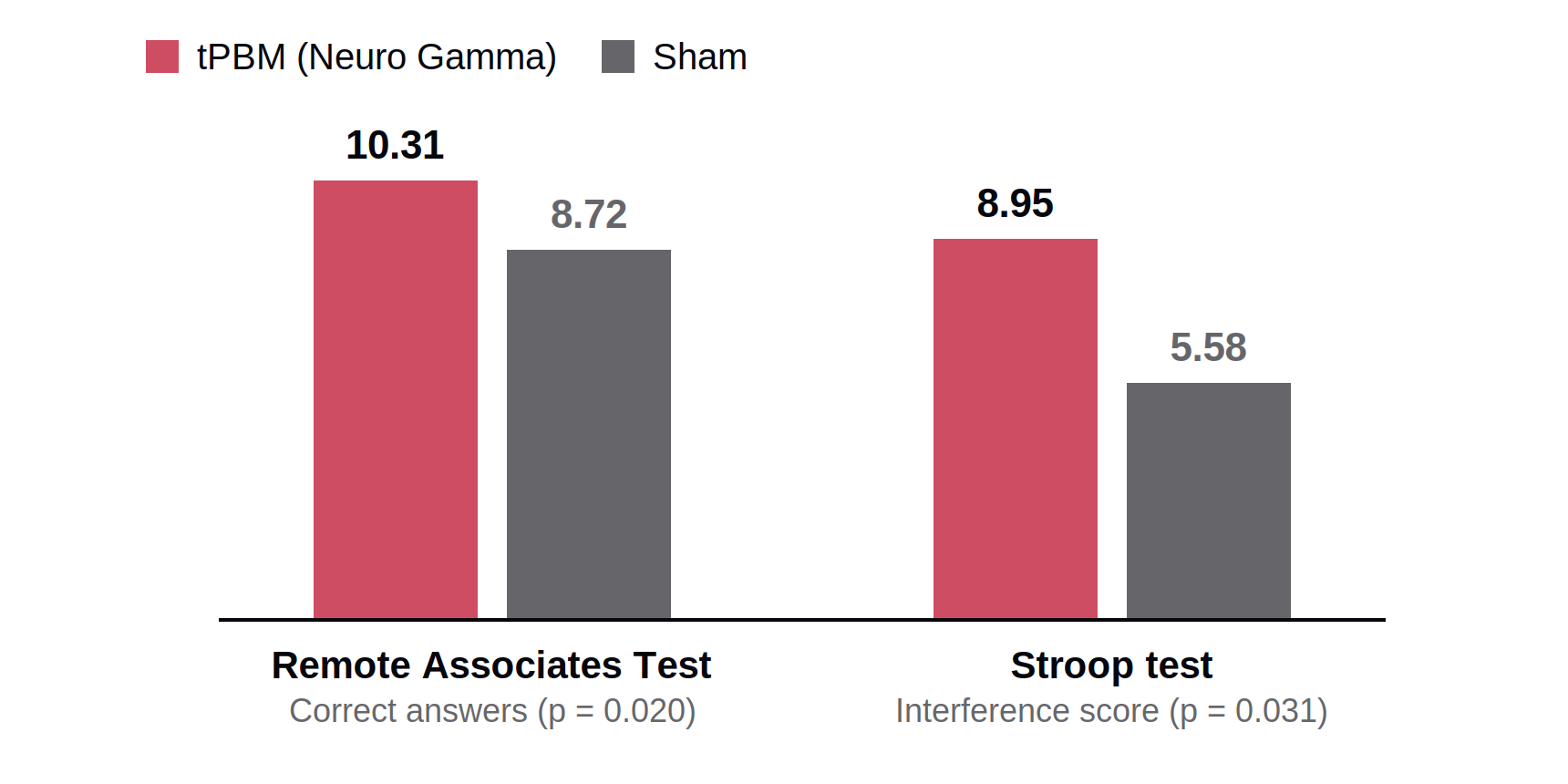
After adjusting for each person’s baseline score, the tPBM group outperformed sham on verbal convergent thinking and on the Stroop test. Divergent thinking did not change significantly.
| Test | What it measures | tPBM vs sham |
|---|---|---|
| Remote Associates Test | Verbal convergent thinking | Higher: 10.31 vs 8.72 correct answers (p = 0.020, moderate effect) |
| Stroop interference | Inhibitory control | Higher: 8.95 vs 5.58 (p = 0.031, moderate effect) |
| Picture-based remote associates | Visual convergent thinking | No significant difference |
| Unusual Uses | Verbal divergent thinking | No significant difference |
| Picture Completion | Visual divergent thinking | Total score not significant; an exploratory fluency subscore was higher, which the authors say to read cautiously |
One more detail stood out. The Stroop gains did not explain the convergent thinking gains, so the two improvements appear to be separate. The authors suggest other executive processes, such as working memory, may be involved.
Change the target, change the result
The same research team ran an earlier near-infrared study aimed at a different brain network. Side by side, the two results mirror each other.
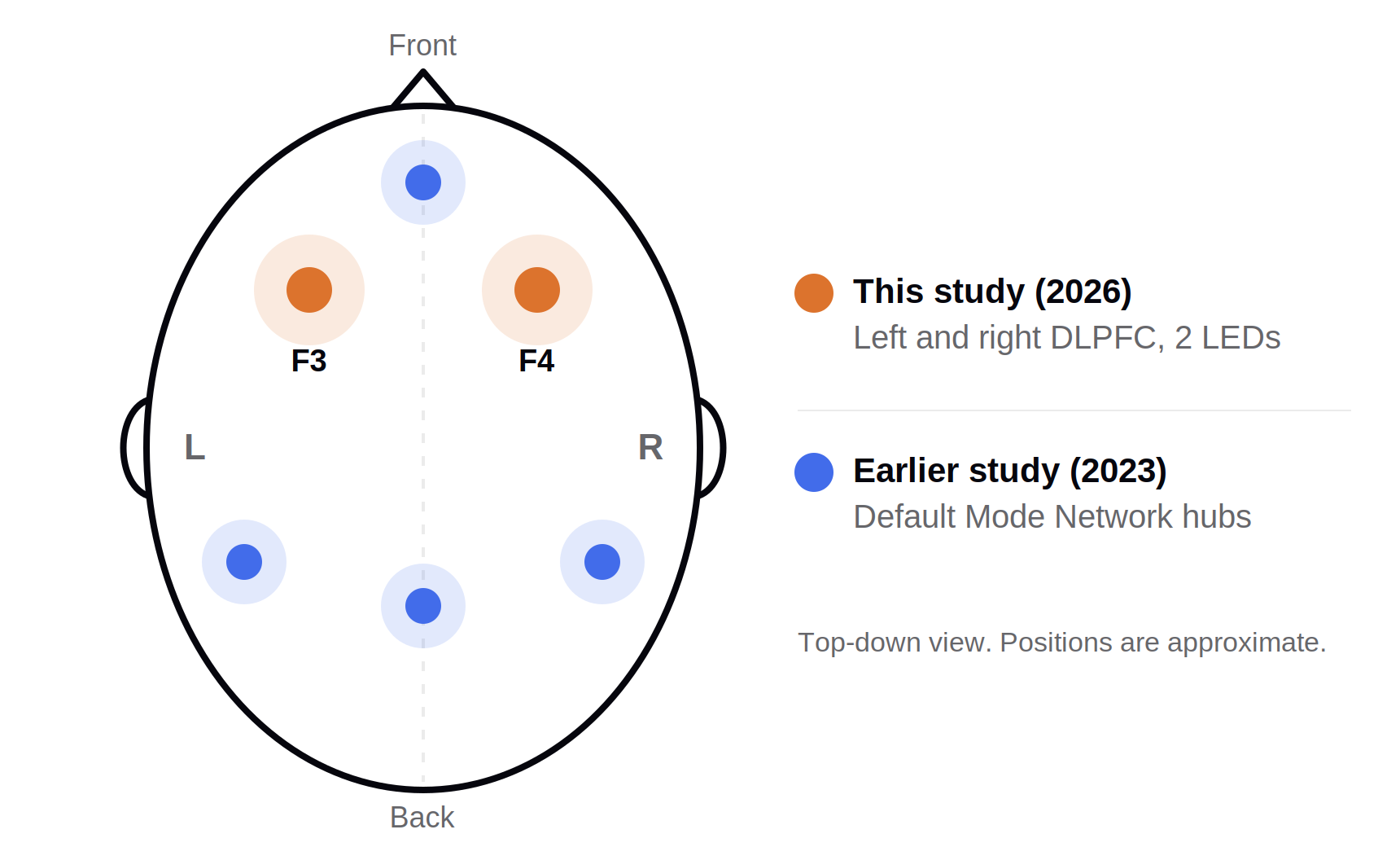
Default Mode Network
Earlier study (Peña et al., 2023). This network is linked to generating ideas.
Divergent thinking: improved
Convergent thinking: no significant change
Dorsolateral prefrontal cortex
This study (Peña et al., 2026). This region is linked to focus and refining ideas.
Divergent thinking: no significant change
Convergent thinking: improved (verbal)
That pattern fits what brain imaging already suggests. The Default Mode Network helps generate ideas, while the executive control network filters and refines them. Light aimed at one network appeared to shift the matching skill and leave the other largely unchanged.
The proposed mechanism is the one behind most photobiomodulation research. Near-infrared light is absorbed by cytochrome c oxidase in mitochondria, which supports cellular energy (ATP). It also increases nitric oxide, which supports local blood flow and oxygen delivery.
Why this matters for Vielight
This is device-specific evidence. A university research team, publicly funded, tested a Vielight device under double-blind, sham-controlled conditions and published in a peer-reviewed journal.
The study also used a targeted setup: two transcranial LEDs over one region. If the region you reach shapes the result, then how much of the brain a device can reach matters. That reasoning is behind Vielight’s intranasal plus transcranial approach (itPBM), which is designed to deliver light to more of the brain than the scalp alone allows.
What this study does not show
This was one 20-minute session in 56 healthy volunteers, so it speaks to short-term performance, not lasting change. The authors note these limits:
- Both hemispheres were stimulated together, so left and right effects cannot be separated.
- Only 40 Hz pulsing was tested; other frequencies and doses remain open questions.
- Participants were an unpaid convenience sample, which may limit how widely results apply.
- Repeating tasks at two time points can create practice effects that differ by task.
- No functional or long-term outcomes were measured.
The authors call for longer studies, work in educational settings, and pairing tPBM with brain imaging such as EEG or fNIRS.
Thank you to the research team
Careful, well-controlled studies like this one are how the field learns what photobiomodulation can and cannot do. We are grateful to the researchers who designed and ran it, to the 56 volunteers who gave their time, and to the public funders who made it possible.
| University of Deusto | Javier Peña, Irune Pérez, Agurne Sampedro, Olaia Lucas-Jiménez, Naroa Ibarretxe-Bilbao, and Natalia Ojeda |
| SilverLine Research and EuroMov, Université de Montpellier | Makii Muthalib |
| Pennsylvania State University | Roger E. Beaty |
| Funding | Department of Education and Science, Basque Government, and the Spanish Ministry of Science, Innovation and Universities |
Acknowledging the researchers does not imply that they or their institutions endorse Vielight or its products.
Reference
Peña, J., Muthalib, M., Beaty, R. E., Pérez, I., Sampedro, A., Lucas-Jiménez, O., Ibarretxe-Bilbao, N., & Ojeda, N. (2026). The impact of transcranial photobiomodulation on the bilateral dorsolateral prefrontal cortex in enhancing convergent thinking and Stroop test. The Journal of Creative Behavior, 60(2), e70112. https://doi.org/10.1002/jocb.70112 (open access)


