
 Shop Vielight tech
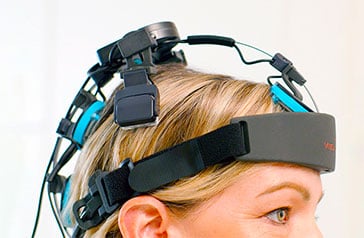

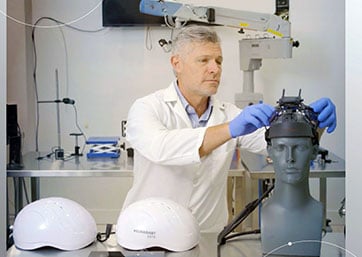
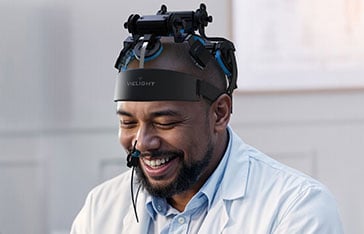











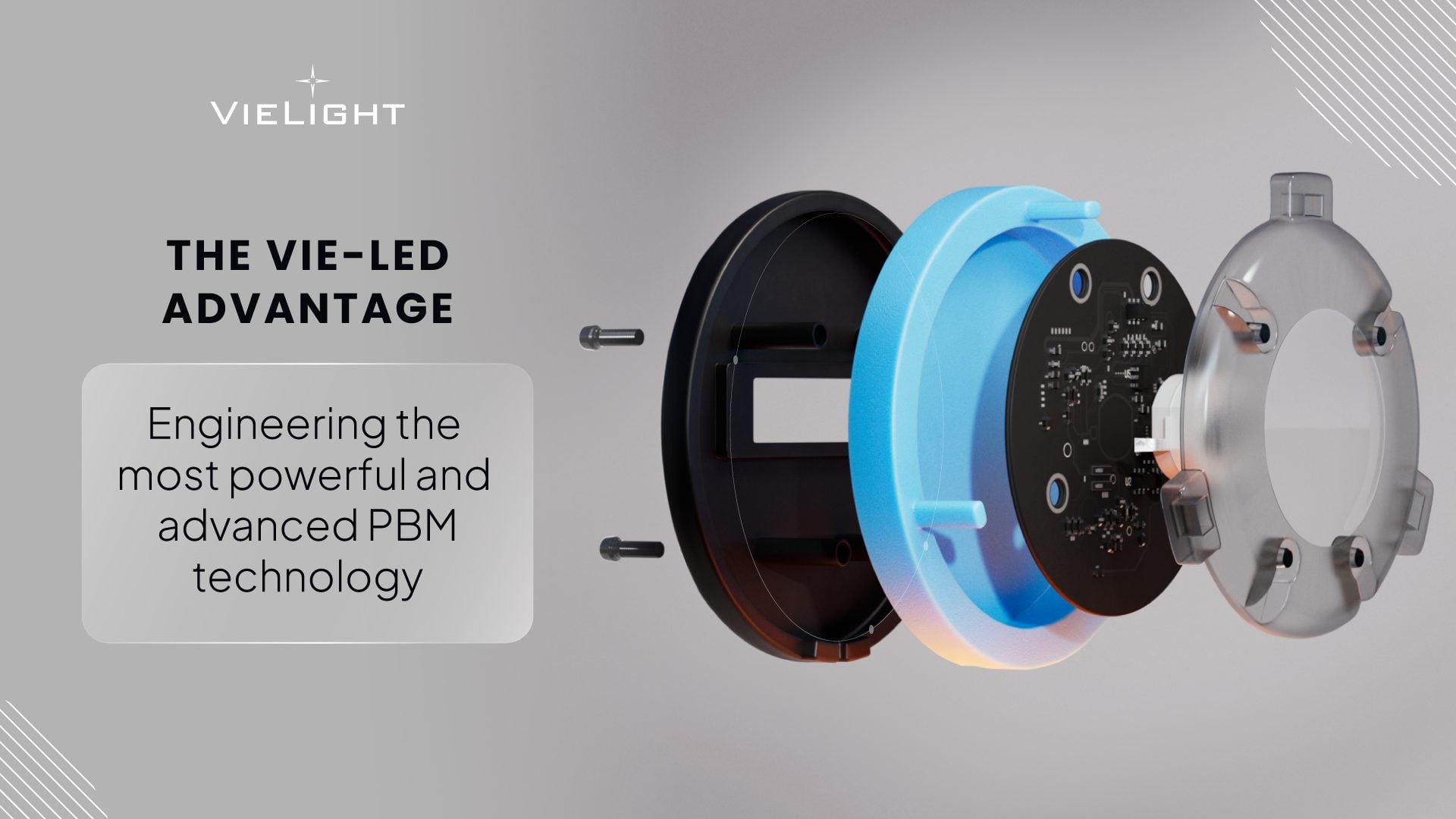
Vie-LED: Engineering Industry-Leading Penetration
Engineering high-irradiance LEDs for brain PBM is significantly more complex than designing low-irradiance systems. While the fundamental semiconductor physics remains the same, the shift from “low” (typically < 50 \text{ mW/cm}^2) to “high” (often > 100 \text{ mW/cm}^2 or even into the Watts range at the source) introduces exponential challenges.
1. Thermal Management
The most significant difficulty in high-irradiance PBM is heat.
-
Low Irradiance: Heat generation is minimal. Simple passive cooling is usually sufficient.
-
High Irradiance: Requires sophisticated thermal paths. If the junction temperature (T_j) rises too high, the LED’s efficiency drops (thermal droop), the wavelength shifts, and the lifespan decreases.
-
Engineering Solution: You must use Metal Core PCBs (MCPCBs), high-conductivity thermal interface materials (TIMs), and often active cooling or large copper heat sinks.
2. Optical Design and Beam Steering
-
Low Irradiance: Often uses wide-angle, “Lambertian” emitters. The light spreads out quickly, which is poor for deep tissue penetration.
-
High Irradiance: Requires precise secondary optics (lenses or reflectors) to collimate the light, minimizing scattering at the skin surface.
3. Power Electronics and Pulsing
High-irradiance LEDs require significantly more current, which complicates the driver circuitry. Many protocols use specific frequencies, such as 40 \text{ Hz} Gamma or 10 \text{ Hz} Alpha. Switching high currents on and off rapidly creates electromagnetic interference (EMI) and puts stress on the capacitors, requiring advanced circuit filtering.
Why Insufficient Irradiance Limits Transcranial PBM Efficacy
A 2025 Brain Stimulation study (“Insufficient low-level near infrared light penetration challenges the efficacy of transcranial photobiomodulation”) measured how much NIR light from commercial devices penetrates intact human skull preparations, then tested whether those levels could activate mitochondrial cytochrome c oxidase (COX) in human neurons.
The cell assays set the bar: COX activity rose significantly at 40.2 J/cm² (134 mW/cm² for 5 min), but showed no measurable change at 2.5 mW/cm² — a dose delivered directly to the neurons, with no skull in the path. That 2.5 mW/cm² is the floor the light needs to clear at the cell.
The helmets didn’t come close. Transmitted power density measured at the inner skull surface — the point where light would enter the brain, before any further attenuation through brain tissue — fell short of that floor by the following margins:
| Device (as described in study) | Wavelength | LEDs | Transmitted to inner skull surface | Shortfall |
|---|---|---|---|---|
| 905 nm medical laser | 905 nm | n/a (laser) | up to ~173 µW/cm² | ~14× below |
| 810 nm LED helmet (Suyzeko) | 810 nm | 256 | ~41 µW/cm² | ~61× below |
| 1070 nm LED helmet (non-Vielight) | 1070 nm | 256 | ~19 µW/cm² | ~132× below |
The authors noted the dose reaching neurons in living tissue would be lower still – their cadaveric preparations lacked the leptomeninges, cerebrospinal fluid, and cerebral vasculature. Under the conditions examined, they concluded such low-power helmets were insufficient to directly drive cortical mitochondrial activation.
Read more to find out how Vielight’s Vie-LED technology solves the irradiance problem.
How does Vielight ensure safety?
All Vielight devices have been tested by TÜV Rheinland, an accredited independent testing body, to two internationally recognized safety standards: IEC 62471 for photobiological safety, and EN 62368-1 for general product safety. Together they cover both the light our devices emit and the electronics that produce it.
How is the light itself evaluated?
IEC 62471 is the international benchmark for the safety of light emitting products. It measures a device’s actual optical output against exposure limits for the eyes and skin, established by the International Commission on Non-Ionizing Radiation Protection. Vielight devices have been certified safe.
- Electrical & Thermal Safety (EN 62368-1:2014): Tested under the international safety standard for electronic, IT, and communication equipment. This certification ensures comprehensive protection against electrical shocks, overcharging, mechanical hazards, and excessive thermal output (overheating)..
- Optical & Photobiological Safety (IEC 62471): Tested for light and optical radiation safety. This standard verifies that our high-powered LED and Near-Infrared (NIR) emissions operate within recognized exposure thresholds, ensuring safe use for skin and eye exposure.
And the device electronics?
EN 62368-1 is the modern safety standard for consumer electronics, the same one applied to laptops, audio equipment, and communications hardware. It takes an engineering-first approach, identifying the energy a product uses and verifying that appropriate safeguards are designed around it.
What does safety testing tell me, and what does it not?
Safety testing confirms that a device is engineered and manufactured to recognized international benchmarks. It is a separate matter from regulatory clearance for a specific medical use. Vielight devices are general wellness products, and are not intended to diagnose, treat, cure, or prevent any disease or medical condition, including traumatic brain injury, concussion, or CTE.

Independent irradiance results from the PBM Foundation and Optonic Lab (part of Solar Light now)
The Vie-LED Irradiance Advantage
This is why the Vielight Neuros feature Vie-LED technology: emitting an independently measured 180–333 mW/cm² surface irradiance, and using the intranasal channel to bypass the thickest cranial bone — so the dose that survives the journey to the target tissue actually matters.
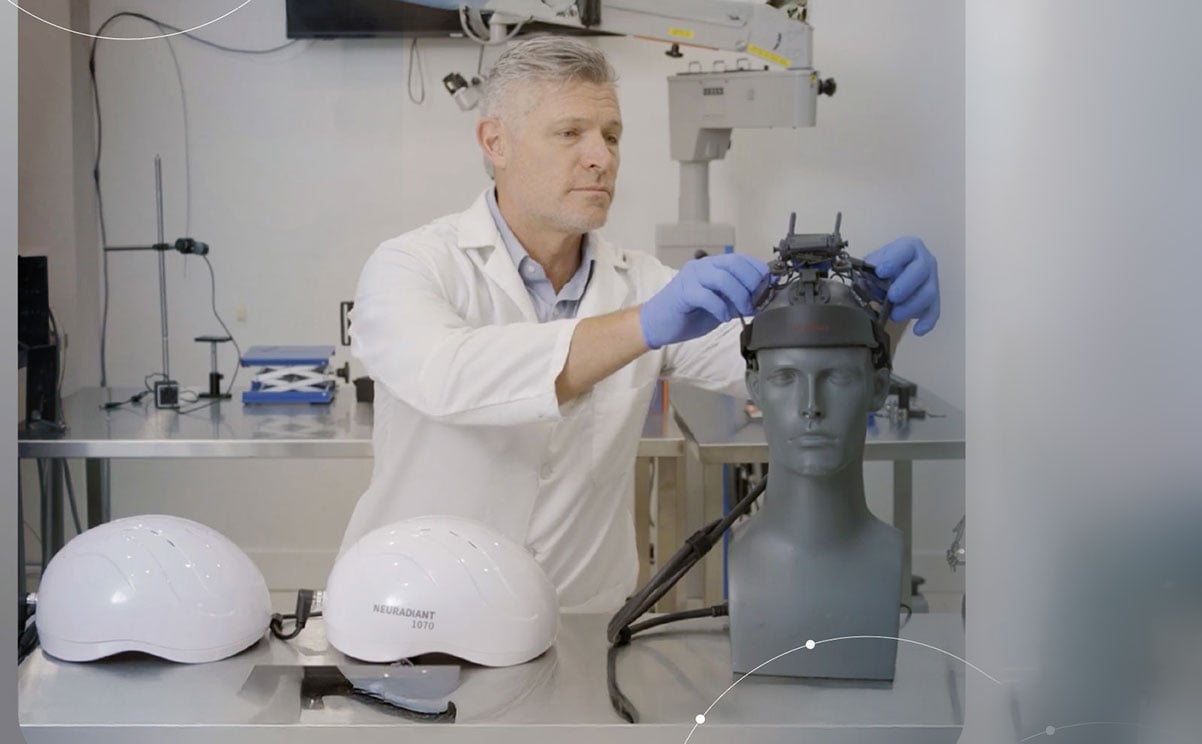
The PBM Foundation benchmarked the Vielight Neuro against two PBM helmets, the Suyzeko NIR helmet and Neuronic Neuradiant twice, as case studies for their testing program to standardize irradiance reporting.
MegaLab and Optronic Lab, photonics engineering firms, conducted the tests:
- Read the full independent test report from Optronic Lab here.
- Read the full independent test report from MegaLab here.
A 2024 systematic review that screened 2,133 records and included 97 brain PBM studies reports that irradiance (power density) was typically ~250 mW/cm². The Vielight Neuro with an independently measured irradiance of 180-333 mW/cm², is mostly inline with the irradiance used in these studies, which included lasers. However, the Neuronic and Suzyeko helmets generated less than 5% of the average irradiance used over 97 analyzed brain PBM studies.
Irradiance comparison table
| Source | Independently measured irradiance | Manufacturer | % of Typical Brain-PBM Irradiance (≈250 mW/cm²) |
|---|---|---|---|
| Vielight Neuro (Vielight) | 180-350 mW/cm2 | Vielight, Canada | 80–160% |
| Neuradiant 1070 (Neuronic) | ≈9 mW/cm2 | Suyzeko, China (Private-labelled) | ≈4% |
| Suyzeko PBM Helmet (Suyzeko) | 5 mW/cm2 | Suyzeko, China | 3% |
| Natural Sunlight | 100 mW/cm2 | Free | 40% |
*Data based on published data by the PBM Foundation in coordination with Optronic Lab and Megalab.
“The Vielight Neuro generated 20-30x more irradiance than the tested PBM helmets, aligning it with the power density levels used in successful clinical research.” — Based on PBM Foundation Standardized Testing.
Vielight Neuro vs 1070nm Helmet
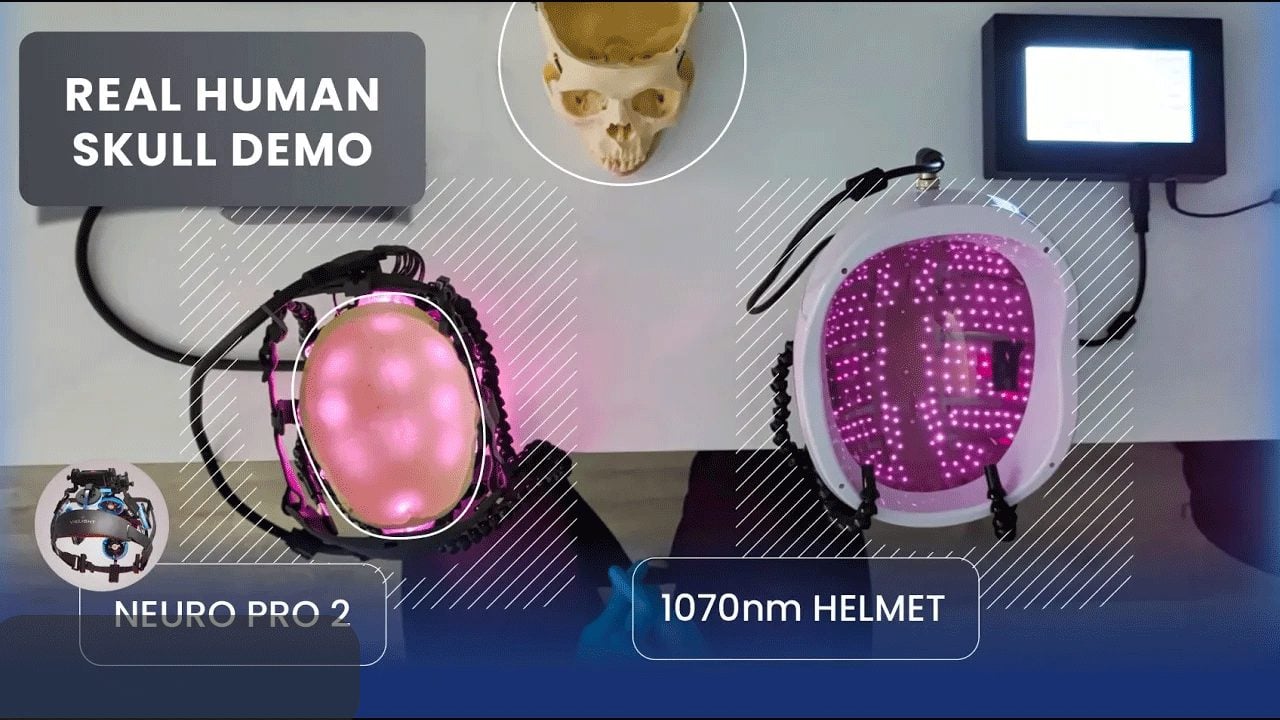
Watch the Vie-LED Difference (Real Human Skull)
This focus on “verifiable dose” is supported by the PBM Foundation reports, which emphasize that effective outcomes are contingent on overcoming anatomical barriers. While competitor devices were blocked by the cranium, the Vie-LED maintained a transmitted irradiance of approximately 4 \text{ mW/cm}^2 through a real human skull.
By prioritizing 810nm and high-irradiance engineering, Vie-LED technology ensures that the photons you pay for are the photons your brain actually receives. Whether you are a researcher or a high-performance user, the physics of light penetration is a non-negotiable factor for efficacy.
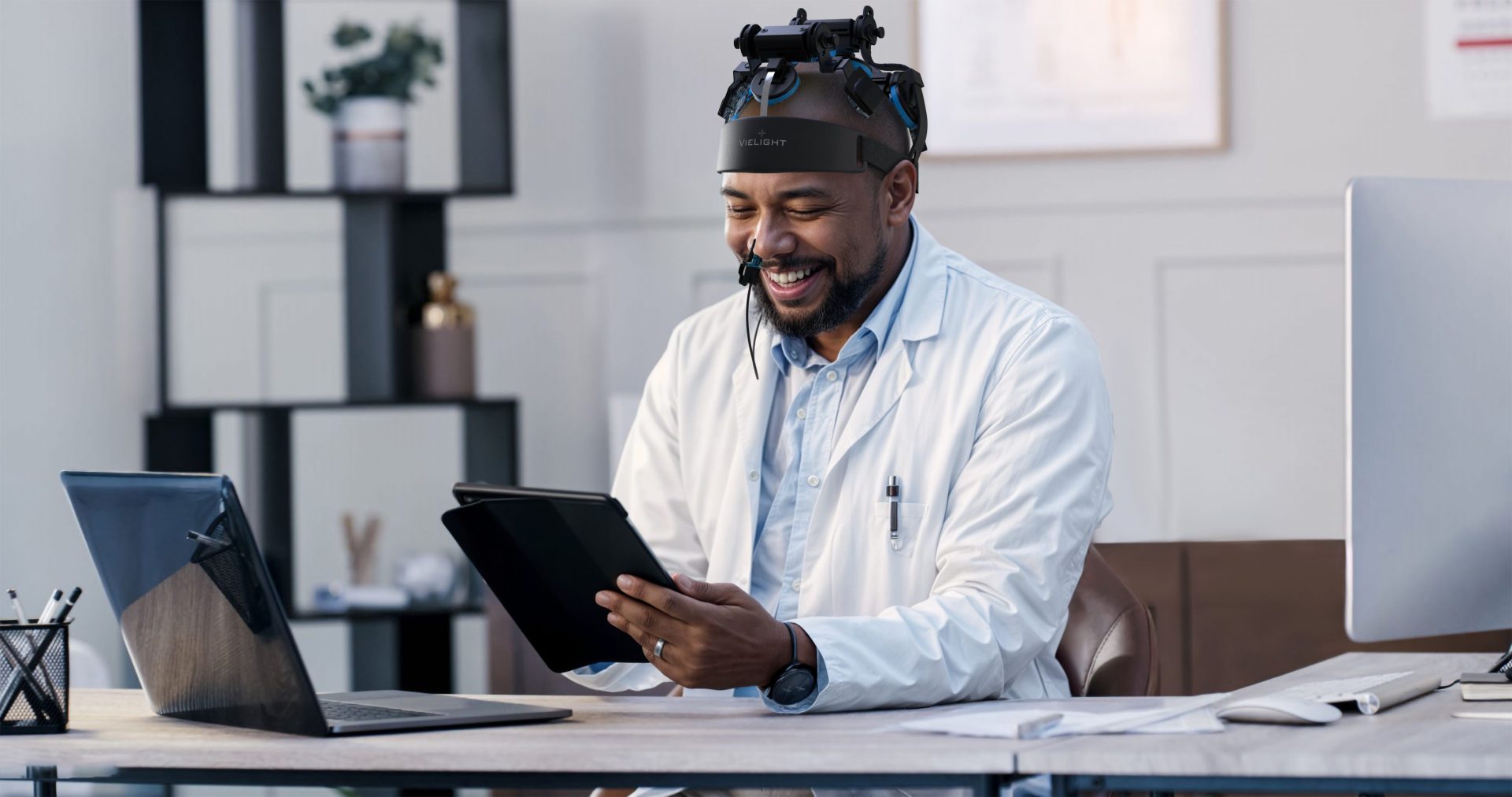
Beyond the Photon: The Neuro Pro 2 Architecture
While most PBM devices are simple “on-off” circuits, the Vielight Neuro Pro 2 represents a leap in complex electrical engineering. It isn’t just a headset; it is a high-performance neurostimulation platform.
The Neuro Pro 2 goes a step beyond through a sophisticated microchip architecture. Handling high-irradiance LEDs requires more than just current; it requires thermal and electrical stability that standard circuitry cannot provide.
-
Complex Electrical Engineering: Our engineers have designed a bespoke power delivery system that manages high current loads without the voltage sags common in consumer helmets.
-
Advanced Programming: The internal firmware allows for industry-leading programmability. Users can manipulate pulse frequencies with millisecond precision, ranging from Sub-Delta to Gamma.
-
The World’s Highest Irradiance: By combining this micro-architecture with our patented Vie-LEDs, the Pro 2 delivers world-leading power density while maintaining the “clean” pulse signatures required for clinical research.
The Gracefire Protocols
A standout feature of the Neuro Pro 2 is the inclusion of the Gracefire protocols. While standard PBM delivers a constant or single-frequency pulse, Gracefire is a proprietary, complex pulse sequence designed to engage the brain’s intrinsic oscillatory patterns more effectively. By layering sophisticated timing and frequency variations, Gracefire provides a “neurological symphony” that targets neuro-restoration and brain-state optimization.
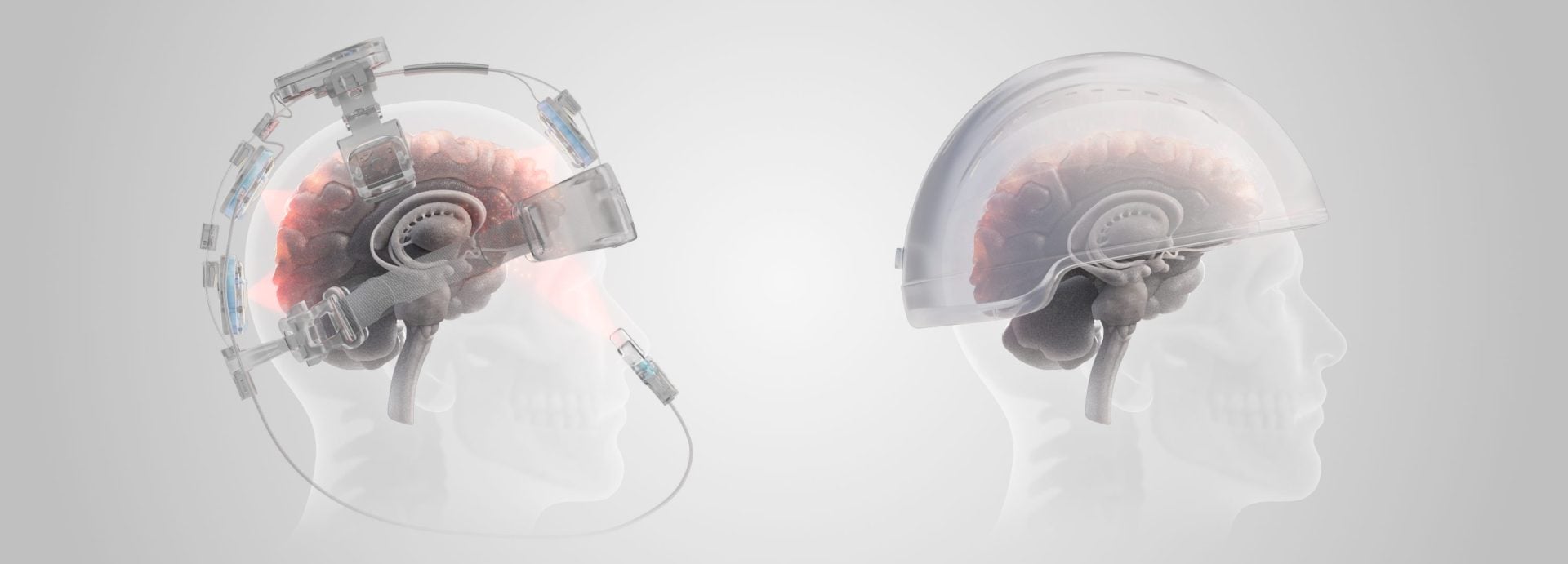
The itPBM Advantage: The Direct Pathway
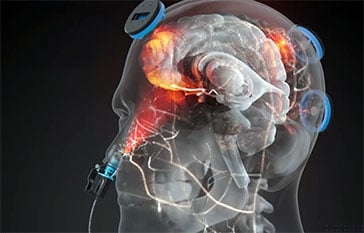
While our transcranial PBM (tPBM) is powerful in itself, Vielight technology offers a more direct route to the core of the brain: Intranasal-Transcranial Photobiomodulation (itPBM).
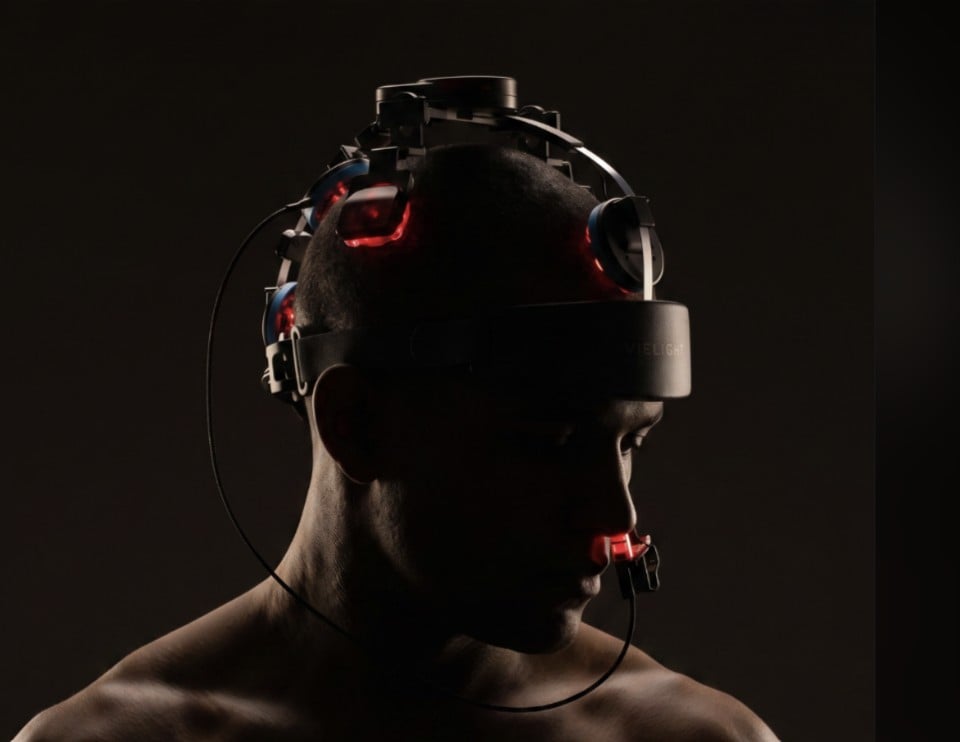
The human skull is a formidable barrier. However, the intranasal channel allows light to bypass the thickest parts of the cranium entirely. By utilizing the cribriform plate—the porous bone at the roof of the nasal cavity—the Vie-LED intranasal applicator delivers light energy directly to the ventral (underside) of the brain and the olfactory bulbs.
Engineering optimal irradiance LEDs for the nasal cavity presents an extreme thermal challenge: you need high power in a very small form factor.
-
Vie-LED Miniaturization: Our patented itPBM technology maintains a high power density (I_0) without overheating, ensuring that photons can reach the hypothalamus and other deep-seated structures that transcranial helmets often struggle to influence.
-
Systemic Impact: Beyond direct brain stimulation, the itPBM channel also irradiates the rich capillary network of the nasal mucosa, offering a unique systemic effect through the blood that complements the localized neurostimulation of the headset.


