
 Shop Vielight tech














Upper Respiratory Viral Recovery Clinical Trial (n=294)
A summary of a 294-person randomized controlled trial of a home-use intranasal and chest photobiomodulation (PBM) device in adults with moderate to severe COVID-19 symptoms, covering the design, results, safety findings and limitations.
The study at a glance
| Design | Multi-center randomized controlled trial, open label (no sham device) |
| Participants | Adults aged 18 to 65 with a confirmed SARS-CoV-2 infection and moderate to severe symptoms, not requiring hospitalization |
| Enrolled / analyzed | 294 enrolled and randomized; 267 monitored for safety; 199 in the efficacy analysis |
| Groups | Standard of care alone, or standard of care plus the Vielight RX Plus |
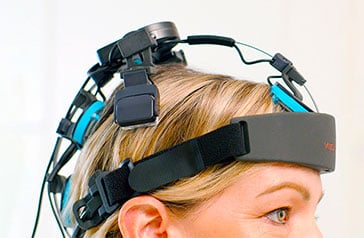
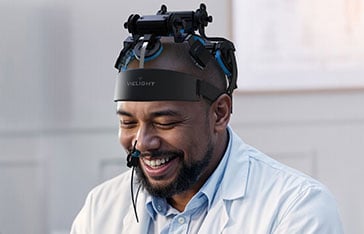
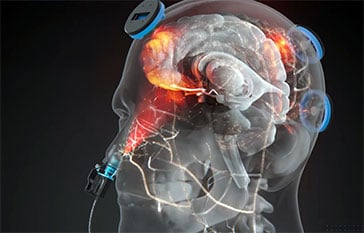
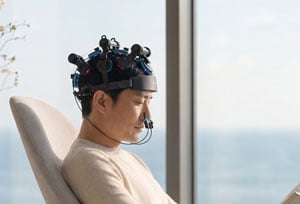
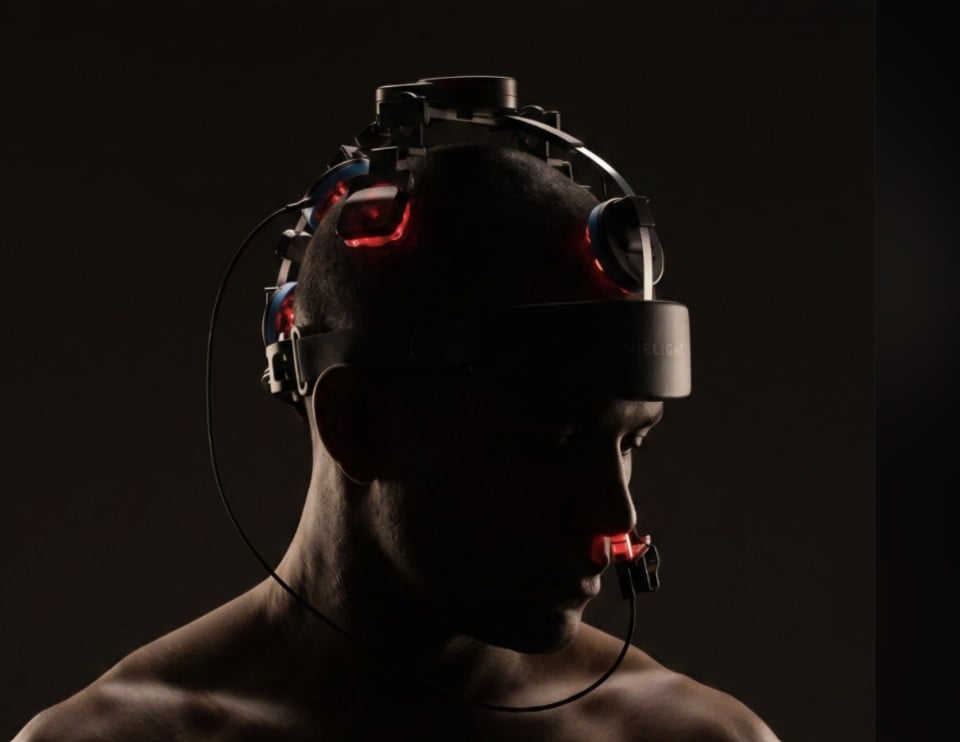
| Device | Vielight RX-Plus, 633 nm red intranasal LED plus an 810 nm near-infrared LED module placed over the sternum |
| Protocol | 20 minutes twice daily for 5 days, then once daily, for 30 days in total, self-administered at home |
| Primary endpoint | Days to recovery on the WURSS-44 question “How sick do you feel today?” |
| Published | Photobiomodulation, Photomedicine, and Laser Surgery, June 2024 (ClinicalTrials.gov NCT04418505) |
How the trial was run
The trial ran in Canada and the United States from September 2020 to July 2021 under a Health Canada Investigational Testing Authorization, with approval from an independent institutional review board. Participants were randomized in equal numbers to standard of care alone (control) or standard of care plus the Vielight RX Plus (treatment). Devices were shipped to the treatment group within 24 hours of randomization, and every participant reported symptoms daily for 30 days using the Wisconsin Upper Respiratory Symptom Survey (WURSS-44). Participants also received a pulse oximeter to report oxygen saturation.
Recovery was defined as the first of three consecutive days with a score of 0 (“not sick”) on the primary question. Secondary endpoints were days to recovery for 42 individual symptoms and the number of days with mild symptoms.

Who was included
Of 701 adults screened, 294 met the criteria and were enrolled. Twenty-seven were lost during follow-up qualification, leaving 267 for safety monitoring. During the roughly two days it took to ship devices, 68 participants (35 treatment, 33 control) improved below the qualifying severity score and were excluded from the efficacy analysis, leaving 199 (100 treatment, 99 control).
The 199 were then grouped by how long they had had symptoms when treatment began: 136 at 0 to 7 days and 63 at 8 to 12 days. This grouping was a post hoc analysis, meaning it was chosen after the trial rather than set in advance.
Primary results
| Group | Median days to recovery (treatment vs control) | p value (log-rank) |
| All patients (n=199) | 19 vs 21 | 0.197 (not significant) |
| 0 to 7 days of symptoms (n=136) | 18 vs 21 | 0.050 |
| 8 to 12 days of symptoms (n=63) | 23 vs 21 | 0.507 (not significant) |
Across all 199 patients, the difference in recovery time was not statistically significant. In the group that started treatment within 0 to 7 days of symptoms, the treatment group’s median recovery was 3 days shorter, which met the study’s threshold of p ≤ 0.050. The corresponding hazard ratio was 1.495 (95% CI 0.996 to 2.243), and the authors describe this result as approaching statistical significance. In the 8 to 12 day group, there was no significant difference.

Secondary results
In the 0 to 7 day group, the treatment group recovered faster from headache, sinus pain, difficulty thinking clearly, swollen glands, chest congestion, sinus drainage and body aches. In the 8 to 12 day group, the treatment group recovered more slowly from tiredness, lack of energy and runny nose, though it reported more days of only mild runny nose, sneezing, body aches, sinus drainage and plugged ears.
Each secondary symptom was reported by only part of the study population, so these comparisons are smaller and have less statistical power than the primary result.
Safety
Of the 267 participants monitored for adverse events, none in the treatment group had a serious adverse event. In the control group, four participants were hospitalized, one of whom died. Fewer treatment participants reported a rapid heart rate (30% vs 44%) and altered taste (5% vs 18%), and oxygen saturation did not worsen with treatment compared with control.
Limitations
The trial was not blinded and did not use a sham device, because the device’s visible red light made blinding impractical. Results relied on self-reported symptoms. The symptom-duration subgroups were defined after the trial, and the overall result across all patients was not significant. Participants were aged 18 to 65, so the results do not extend to older adults. The trial did not measure inflammatory or immune markers, so the mechanisms discussed in the paper are hypotheses rather than findings of this study.
The study was funded entirely by Vielight. Vielight’s CEO was the lead author, and several co-authors, including the author of this summary, were Vielight employees at the time of the trial.
Regulatory status
Following this trial, Health Canada licensed the Vielight RX Plus as a medical device with the indication: “The Vielight RX Plus is intended to accelerate the recovery of upper respiratory symptoms in viral infections, such as COVID-19.” This license applies in Canada only. The RX Plus has not been cleared or approved by the U.S. Food and Drug Administration for this or any other use. View the Health Canada license listing.
Reference
Lim L, Hosseinkhah N, Van Buskirk M, et al. Photobiomodulation treatment with a home-use device for COVID-19: a randomized controlled trial for efficacy and safety. Photobiomodulation, Photomedicine, and Laser Surgery. 2024;42(6):393-403. doi:10.1089/pho.2023.0179
This article summarizes published research for informational purposes and is not medical advice. The Health Canada indication described above applies only to the Vielight RX Plus in Canada. Vielight devices sold in the United States are general wellness products and are not intended to diagnose, treat, cure, or prevent any disease, including COVID-19 or any other viral infection. Speak with a healthcare provider about any medical condition.


